Community Partnerships: Working With Local Organizations
Community partnerships are not a decorative extra. They are the operating system that keeps a local event from becoming one tired team doing everything badly at once.
If your group is exploring a partnership, the usual questions show up quickly: What do we actually ask another organization to do? How do we divide responsibilities without creating confusion? What belongs in writing? How do we share visibility without stepping on each other’s branding? Those are sensible questions. They are also the difference between a useful collaboration and a long email thread wearing a nametag.
Helen Keller’s line still holds up: “Alone we can do so little; together we can do so much.” In practice, that does not mean every partnership works automatically. Good collaboration depends on clear stakeholder engagement, realistic role design, and the unglamorous discipline of follow-through. Community events especially rely on shared planning because volunteer time, booth space, and sponsor visibility are finite resources.
This guide breaks the work into parts you can actually use: why partnerships help, the most common partnership types, what each group should prepare, how communication should work, and how to handle branding with basic respect. If your organization is ready to collaborate, this is the blueprint stage before the paint goes on the wall.
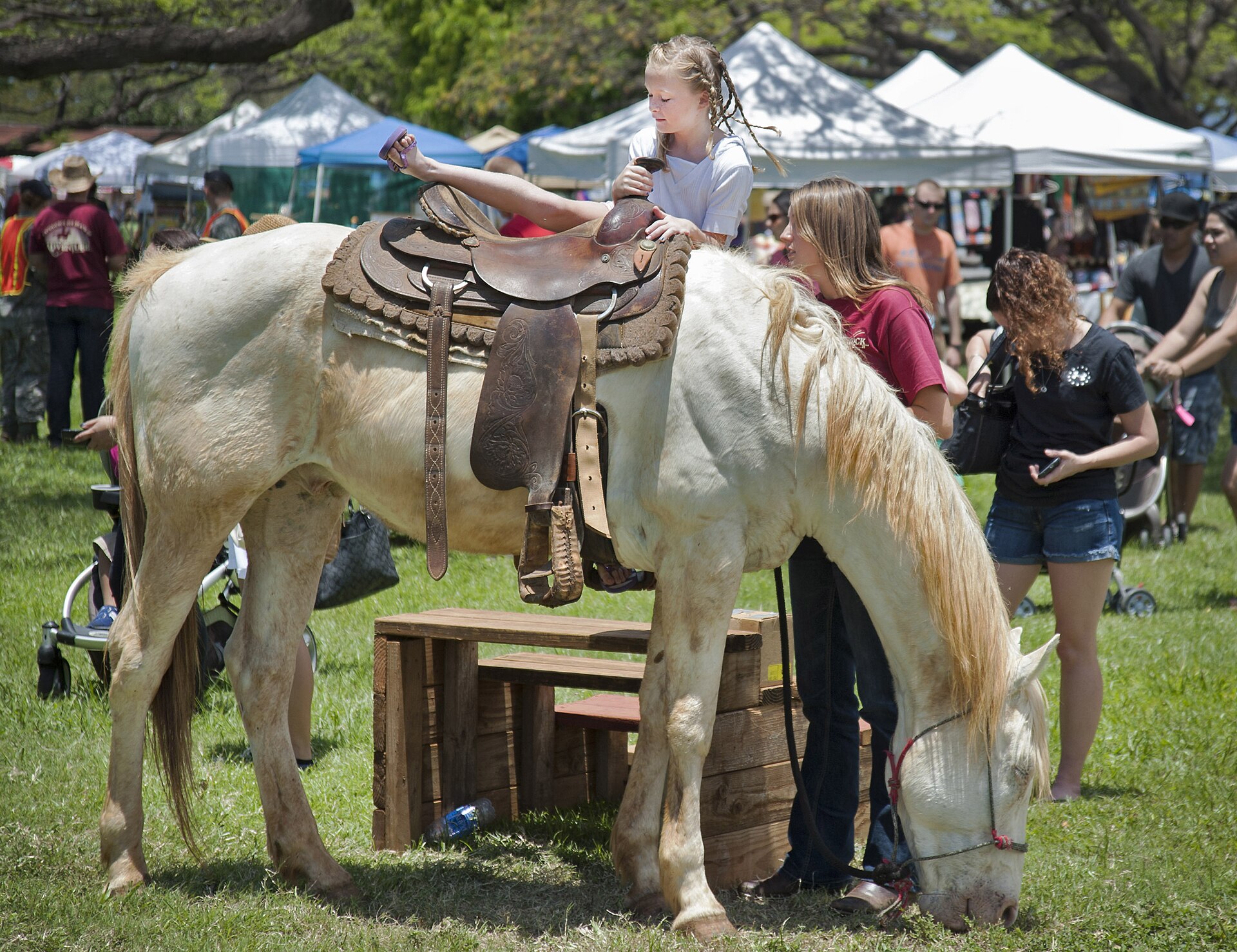
Why partnerships help
Most local organizations are working with the same constraints: limited budget, limited staff time, limited volunteers, and a limited number of hours before an event starts. A partnership changes that math in three practical ways.
- It expands resources. One group may have volunteers, another may have equipment, and another may have community reach. Combined, that often creates something stronger than a cash contribution alone.
- It increases visibility. When two organizations promote the same activity, each one reaches people the other group may not reach on its own.
- It improves programming. Collaboration lets an event offer more variety, more expertise, and more useful participation options for families, donors, and volunteers.
Think of partnership value as layered, not singular. A booth partner might help with outreach. A sponsor might offset costs. A workshop partner might make the event more useful. A volunteer partner might reduce the load on your core team. None of those solves every problem, but together they create margin. Margin is underrated until you run out of it.
Partnerships also help organizations avoid the common mistake of building an event entirely around internal capacity. Internal capacity matters, but it is usually the smallest box in the room. Shared planning can widen that box without forcing one group to become expert in everything from logistics to programming to public communication.
Partnership terms worth defining early
Before anyone agrees to anything, it helps to define a few terms in plain language. This keeps later confusion from pretending it is a misunderstanding.
- Partner: an organization contributing time, people, space, programming, materials, or visibility toward a shared activity or outcome.
- Sponsor: a partner whose role is primarily financial or in-kind support, often with agreed recognition or placement. If your group uses sponsor tiers, document them before outreach starts. The general concept is simple enough, but the expectations around sponsorship should still be stated clearly.
- Volunteer support: a partner contribution focused on staffing, setup, teardown, hospitality, check-in, or activity support. This overlaps heavily with basic volunteer management, which is another reason to define supervision and timing in advance.
- Brand use: any use of a partner’s name, logo, quote, program name, or promotional material in public-facing content. This is where preventable mistakes like old logos, wrong colors, and unauthorized claims tend to appear.
- Written agreement: a lightweight document that confirms the scope, contacts, responsibilities, timing, and public mentions for the partnership. It does not need to be theatrical. A simple outline or memorandum of understanding can often do the job.
Names matter because they shape expectations. If one organization hears “partner” and imagines shared planning while the other hears “partner” and imagines a logo on a flyer, the project is already leaning sideways.
Common partnership types that work well locally
Not every collaboration needs to be large. In fact, smaller partnership formats are often more reliable because each group can understand the assignment at a glance.
1. Booth partnerships
Booth partnerships are common because they are easy to define. One organization hosts a table, demonstration area, or information station, and the event team provides agreed support such as placement, electricity, setup timing, or inclusion in event communications.
This works well for community education, family activities, recruitment, and simple service introductions. A booth partnership can be especially effective when the partner already knows how to engage visitors in short conversations rather than waiting for strangers to decode a brochure from six feet away.
2. Collaborative activities or workshops
Some groups contribute best through programming rather than static presence. That can include a craft table, a small demonstration, a family learning activity, a practical workshop, or a short scheduled presentation. These partnerships tend to create deeper visitor engagement because people remember what they did more than what they walked past.
If your event already has a public planning page such as Festival Events, workshop-style partnerships are easier to promote because visitors can see when and where the activity happens.
3. Sponsorship support
Some organizations want to help financially, cover a specific need, or provide in-kind support such as water, printing, tents, raffle items, or supplies. Sponsorship support works best when recognition rules are clear: what the sponsor receives, where their name appears, what deadlines matter, and what kind of public acknowledgment is included.
This is not the place for interpretive dance. If there are levels, placements, or deadlines, write them down.
4. Volunteer staffing partnerships
Volunteer partnerships help with setup, guest flow, activity supervision, cleanup, greeting, donation tables, and general event support. These arrangements are strong when the partner can supply a defined number of people for a defined time window under a defined on-site lead.
Without that structure, a volunteer partnership can drift into a situation where everyone believes someone else is managing it. That is not management. That is optimism in a safety vest.
5. Resource-sharing partnerships
Sometimes the most useful collaboration is simple: one organization shares tables, storage, shade tents, sound equipment, transportation help, or printed materials. These contributions may look modest, but they can remove expensive friction from the event plan and reduce last-minute scrambling.
| Partnership type | Best use | Main risk | What to document |
|---|---|---|---|
| Booth partnership | Outreach, family engagement, information sharing | Unclear setup needs or poor visitor flow | Space, timing, equipment, staffing |
| Workshop/activity | Interactive programming and deeper participation | Schedule confusion or missing materials | Run-of-show, supplies, audience size, lead contact |
| Sponsorship | Financial or in-kind support | Mismatched expectations about recognition | Benefits, deadlines, logo use, acknowledgments |
| Volunteer support | Staffing operational tasks | No clear supervisor or shift structure | Headcount, roles, arrival time, training |
| Resource sharing | Reducing operational cost and stress | Missing delivery, pickup, or ownership details | Inventory, transport, timing, condition on return |
What partners should prepare before saying yes
Strong partnerships usually feel smooth in public because the prep work happened in private. Before you confirm the collaboration, each group should bring four things to the table.
Clear goals
Start with the simplest useful question: what does success look like for each organization? One group may want attendance. Another may want volunteer signups. Another may want to educate families about a program. Another may simply want to support the event visibly and responsibly. If those goals are not named, they will still shape behavior. They will just do it noisily.
A realistic contribution list
Each partner should state what it can provide in concrete terms:
- number of volunteers,
- hours available,
- materials or equipment,
- promotion channels,
- cash or in-kind support,
- activity lead or speaker,
- setup requirements.
The more specific the contribution list, the easier it becomes to assign roles without resentment or guessing.
One point of contact
Every organization needs one primary contact for planning and one backup if possible. A shared project with five people casually replying from the same inbox can become a part-time mystery. Clear contact ownership keeps questions moving and prevents contradictions.
Basic written terms
Your agreement does not need to read like it was discovered under a courthouse floorboard. It does need to cover the essentials:
- what the activity is,
- who is responsible for what,
- when materials, logos, or staff lists are due,
- what happens if plans change,
- how the partnership will be acknowledged publicly.
A short shared document is often enough. The goal is not bureaucracy. The goal is memory that still works when inboxes get messy.
Coordination and communication expectations
A partnership usually succeeds or fails in the middle, not the beginning. Most groups are enthusiastic at kickoff and polite at the end. The trouble appears in the weeks between those moments, when deadlines, signage, volunteer counts, and setup details stop being theoretical.
Use a simple communication pattern:
- Kickoff confirmation. Confirm scope, contacts, timeline, and deliverables.
- Midpoint check-in. Review what has been completed and what is still missing.
- Final-week check. Confirm arrival times, setup needs, materials, and on-site contacts.
- Post-event follow-up. Thank partners, note what worked, and capture improvements while the details are still fresh.
Shared tools help if they remain simple. A shared document, spreadsheet, or short email summary after each check-in is often enough. You do not need to build a space shuttle dashboard to confirm whether the banner is arriving by Friday.
It also helps to decide what should be communicated quickly and what can wait. Changes to headcount, arrival time, space needs, or public-facing materials should move immediately. Nice-to-have ideas can wait for the next check-in. Not every thought deserves emergency status.
A simple outreach checklist before the first partnership call
Many partnership conversations go off course because the first message is too vague. “We would love to collaborate sometime” is friendly, but it gives the other organization nothing solid to evaluate. A better first contact is short, specific, and easy to answer.
Before you reach out, prepare these items:
- The activity or support type. Are you proposing a booth, sponsorship, workshop, volunteer shift, or resource share?
- The audience benefit. What will visitors, families, or volunteers actually gain from this partnership?
- The time window. Include the event date if public, plus setup timing, activity duration, or volunteer shift length when known.
- Your contribution list. State what your group will provide and what support you need from the organizer.
- Your constraints. Mention space, power, staffing limits, accessibility needs, or approval timelines early.
- Your decision path. Clarify whether one person can confirm the plan or whether your board, committee, or team needs to approve it.
A practical outreach note might sound like this: “Our group can host a one-hour family activity table and provide three volunteers. We would need one table, two chairs, and a nearby outlet if available. If that fits your plans, we can send a short activity description and logo for review.” That is enough information for an organizer to work with. It is also refreshingly free of fog.
If you are on the receiving end of a partnership inquiry, respond with the same level of clarity. Confirm whether the fit is strong, what deadlines matter, and what next step should happen. Fast clarity is kinder than slow ambiguity.
Branding and respectful collaboration
Branding matters because public trust is built from details. When a partnership is visible, each organization is lending credibility to the other. That means names, logos, captions, sponsor lists, and thank-yous should be handled carefully.
In marketing language, this overlaps with co-branding, but at the community level the rule is simpler: use the right name, use the approved mark if one is provided, and do not imply support or scope that was never agreed.
- Ask for current logos or brand files. Do not guess, crop old artwork, or pull a low-resolution image from a past flyer.
- Confirm wording for public acknowledgments. Some groups prefer “community partner,” others “sponsor,” and others “volunteer partner.” Use the term they approved.
- Credit contributions accurately. If an organization supported one activity, do not describe it as presenting the whole event unless that was the deal.
- Share proofs when practical. A quick approval pass on flyers, event pages, or signage prevents embarrassing fixes later.
Respect also applies after the event. Thank partners publicly when appropriate, follow through on promised recognition, and avoid turning the relationship into a one-time extraction project. Good partnerships make the next conversation easier because both sides remember the process as organized and fair.
Two practical examples of strong local partnerships
Examples help because “community partnership” is broad enough to hide a lot of bad planning. Here are two models that scale well for local events.
Example 1: Shared booth and activity model
An event team invites a local community group to run a family-friendly activity booth. The event provides space, inclusion on the event schedule, and a clear setup window. The partner brings volunteers, materials, and one activity lead. Both sides agree on a short public description, a table sign, and one contact person.
Why this works:
- the visitor benefit is obvious,
- the partner’s role is narrow enough to execute well,
- the event gains programming without overextending staff,
- the partner gets meaningful visibility tied to an actual experience.
Example 2: Sponsor plus volunteer support model
A local organization or business helps fund a visible need such as supplies, refreshments, or a children’s area and also sends volunteers for setup or greeting. The event team provides pre-approved recognition, day-of instructions, and one on-site lead. The partner knows exactly what public mention is included and exactly when people should arrive.
Why this works:
- support is both financial and operational,
- recognition is tied to a real contribution instead of vague goodwill,
- day-of staffing pressure drops,
- the partnership has enough structure to repeat next year.
The underlying pattern is simple: small scope, clear contribution, named contact, written expectations. That formula is not glamorous, but neither is cleanup, and cleanup still matters.
Next steps if your organization wants to partner
If your group is exploring a collaboration with Friendship Days or another local event, start small and specific. Propose one partnership type, one outcome, and one lead contact. For example:
- “We can staff a family activity table for two hours.”
- “We can sponsor supplies for one activity area.”
- “We can provide four volunteers for setup and guest greeting.”
- “We can host a short workshop if space and timing are available.”
That level of clarity makes it easier for organizers to say yes, ask the right follow-up questions, or adjust the idea before time is wasted.
For the next step, use the Support page if your organization wants general guidance on how to help, sponsor, or contribute resources. If you already have a specific partnership idea, use Contact to share the proposal directly. You can also return to the Home page for general event information and public updates.
Key takeaways
- Partnerships work best when the assignment is specific.
- Booths, activities, sponsorships, volunteer staffing, and resource sharing are all useful models.
- Preparation should cover goals, materials, roles, deadlines, and one clear point of contact.
- Regular check-ins prevent confusion from becoming an operational problem.
- Brand use and public acknowledgments should be approved, accurate, and respectful.
A good partnership does not rely on chemistry alone. It relies on structure that makes the right action easier than the wrong one. That is true for community events, internal teams, and most things that involve more than one calendar. Start with one clear proposal, define the contribution, and give the collaboration enough shape to succeed.