Crafting Community: The Importance of Local Events
Local events do the unglamorous work of turning nearby strangers into people who recognize each other in the grocery aisle. That sounds small until you notice how much of community life depends on exactly that kind of repeated contact. A festival, workshop, school fair, library night, or neighborhood cleanup is not just a thing to attend. It is a system for making participation feel normal.
If you have ever wondered why local events still matter, what they actually change, who benefits, and how to get involved without becoming the person who volunteers for everything and regrets it by Thursday, this article is for you. Social connection is not a soft extra. The CDC’s connectedness guidance and WHO’s work on social connection both point to the same basic fact: people do better when they are woven into real human networks, not just group chats and calendar invites.
That is why community events remain useful, even in a world that keeps trying to replace everything with notifications. Local gatherings create shared reference points, build trust between neighbors, and make culture visible instead of theoretical. Below, I’ll break down the practical value of local events, show a few concrete examples, and give you simple ways to take part. No grand theory, no civic fog machine.
By the end, you will have a clear sense of what local events do, why they matter for culture and belonging, and how to find one this month without needing a committee badge.
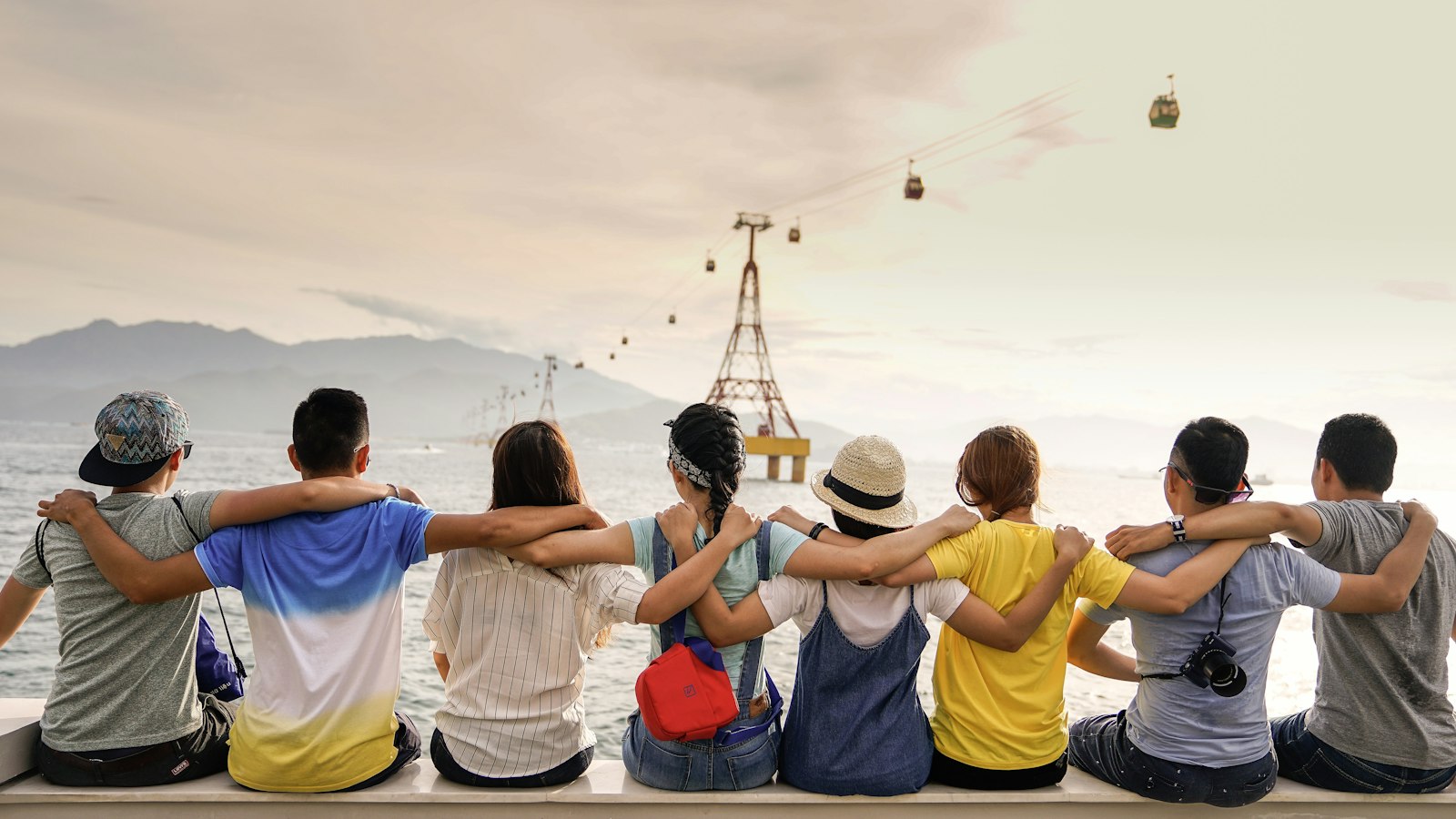
What counts as a local event?
In plain English, a local event is any organized gathering that brings people together around a shared activity, place, or purpose. That can mean a street festival, a craft fair, a volunteer day, a workshop at the library, a school fundraiser, a farmers market, or a neighborhood concert. The form changes. The function does not: create a shared space where people can participate instead of just observe.
If you want a broader civic lens, the AmericanTowns community directory and local government events pages often show how many small recurring activities make a town feel alive. The event itself may be modest. The effect is not. A good recurring gathering works like a well-built interface: simple enough to use, useful enough to return to.
Why local gatherings matter
1. They strengthen community ties
People trust what they see often. That is not poetry; it is basic social infrastructure. When you see the same volunteers, vendors, musicians, parents, and organizers at multiple events, the town stops feeling abstract. Names stick. Conversations shorten. Collaboration gets easier because everyone is no longer starting from zero.
This is one reason places with active community calendars tend to recover faster from friction. Shared work lowers the cost of asking for help. You do not need a dissertation to understand the value of knowing who bakes pies, who runs sound, and who has the folding tables.
2. They keep local culture visible
Local events are where traditions stay practiced instead of merely remembered. A quilting display, a harvest fair, a winter market, a heritage festival, or a youth art night turns local culture into something people can see and join. That matters because culture survives through repetition, not nostalgia alone.
The National Endowment for the Arts has long documented how arts participation supports civic life and public engagement. That does not mean every event needs grant-writing language and a string quartet. It means that when people make and share things together, they strengthen the cultural memory of the place they live in.
3. They encourage practical support among residents
One of the quiet superpowers of local events is that they make it easier to help each other without turning it into a formal program. Someone brings extra chairs. Someone else handles setup. A local business donates water. A volunteer fills a gap because the schedule, naturally, is pretending to be tidy while chaos handles operations. This is how communities actually function: through small acts that become predictable because the event exists.
| Event type | Community benefit | Example outcome |
|---|---|---|
| Festival or fair | Shared identity and local pride | People meet neighbors they would not otherwise cross paths with |
| Workshop or class | Skill sharing | Residents learn useful abilities and teach one another |
| Volunteer day | Direct service | Parks, schools, and common spaces get better fast |
| Market or fundraiser | Local economic support | Small vendors and organizations reach people face to face |
Real-world examples that show the pattern
You do not need a mythical “perfect community” to see this work. You just need examples of events that solve a real local need.
Farmers markets
Farmers markets are one of the clearest examples of local events doing more than one job at once. They connect buyers to nearby growers, give small vendors a platform, and create a weekly rhythm people can plan around. The USDA Farmers Market Directory exists because this model is widespread for a reason: it supports local food access and regular in-person interaction.
In practical terms, a market is not just a place to buy tomatoes. It is a place where residents trade updates, recommend services, and learn what is happening next week. Social life often begins with produce and ends with three people agreeing to help with a school fundraiser.
Quilt shows, craft fairs, and heritage festivals
Craft-focused events show how tradition becomes shared labor. A quilt show displays skill, yes, but it also preserves family stories, local history, and a sense of continuity across generations. The Quilt Alliance has built an entire ecosystem around documenting and sharing those stories, because handmade work does not stay alive by accident.
These events do something important: they make room for people who are not looking for a spectacle, just a place to contribute. That may be the most underrated form of public value there is.
Library nights, school fairs, and volunteer days
Smaller events are often the most useful because they are easy to enter. A reading night, a robotics demo, a school carnival, or a park cleanup creates low-pressure ways to meet people and build trust. The work is visible, and the entry point is usually straightforward: show up, pitch in, leave the place better than you found it.
Those are the moments that convert “I should probably get involved someday” into “I know where I can help next Saturday.” Systems improve when the next step is obvious. Communities are no different.
How to get involved without overcomplicating it
You do not need a grand plan. You need one honest action. Here is the shortest useful path:
- Check local calendars. Start with your town website, library board, school district updates, community Facebook groups, and the event listings on our blog when relevant articles point you toward a good next step.
- Pick one event type. Attend a festival, volunteer day, workshop, or fundraiser that fits your schedule and tolerance for folding chairs.
- Volunteer once. One shift teaches you how the event really works and whether you want to come back.
- Bring one person. Events are easier to join when you are not the only new face in the room.
- Follow up. If you meet an organizer, send a thank-you note or ask where help is most needed next.
If you want the deeper version of that process, the About page is a good place to understand the broader mission behind the site. But for most readers, the next useful move is simpler: choose one local event this month and actually go.
A simple decision rule for choosing events
When you are deciding where to spend your time, use this quick filter:
- Does it create contact? You should be able to meet people, not just stare at a stage from far away.
- Does it support something local? Look for events that help a neighborhood group, school, cultural tradition, or small business.
- Can you participate at your current energy level? If the event only works for people with endless free time and a clipboard, it is not beginner-friendly enough.
That is the whole filter. Elegant, boring, effective. Good systems rarely need fireworks.
Conclusion: show up, then show up again
Local events matter because they make community tangible. They strengthen ties, keep culture visible, and give residents a practical way to support one another. The best ones are not huge or perfect. They are repeatable, welcoming, and useful.
If you want to help build a stronger community, do not wait for some ideal future version of yourself with extra time, extra confidence, and a better calendar app. Find one event, attend it, and see what happens when people share the same place on purpose. Then come back for another.
Next step: look at your local calendar today, choose one event, and commit to showing up. If you want more context and related reading, browse the blog and the about page, then take the smallest practical action available.
- Local events create real connections.
- They keep local culture active, not symbolic.
- Volunteering is often the easiest entry point.
- One event can become the start of a long habit.