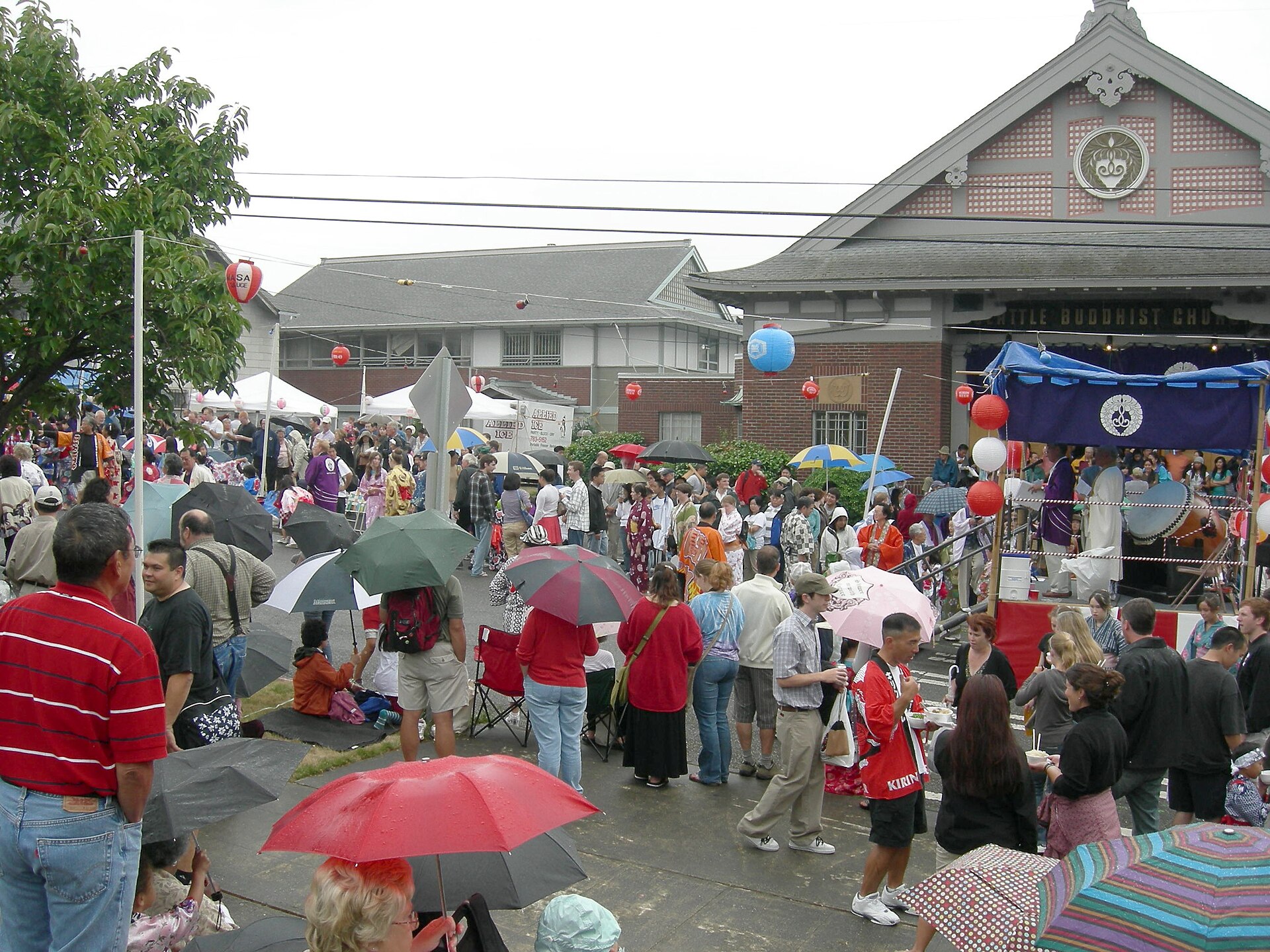
How to Plan an Inclusive Friendship Days Visit for Seniors and Caregivers
Planning a festival visit gets easier when you treat it like a friendly little route map instead of a full-day marathon. For seniors and caregivers, the short version is simple: check the basics ahead of time, keep the schedule light, and leave yourself room to change plans if the day feels longer than expected.
This guide focuses on the practical stuff that makes a visit feel calmer and more comfortable: parking, walking distance, restrooms, shade, companion seating, and a realistic pace. The goal is not to squeeze in everything. It is to enjoy the parts that matter most without feeling wrung out by the end of the afternoon.

Why an inclusive visit matters
Inclusive planning helps more than one group at once. Older adults may need shorter walking distances or more sitting breaks. Caregivers may need a clear handoff plan, a lighter schedule, and a few quiet minutes to reset. When those needs are considered together, the whole visit usually feels smoother for everyone.
That idea lines up with official accessibility guidance from the U.S. Department of Justice’s ADA Guide for Small Towns, which emphasizes accessible routes, seating, toilets, and planning early for temporary events. Accessibility is not a special add-on. It is the thing that lets more people participate comfortably.
What to check before you go
A quick check before leaving home can save a lot of guesswork later. If Friendship Days has current event details posted, look for the basics first and do not assume last year’s setup is the same this year.
- Parking: Is there accessible parking close to the entrance, and is the path from parking to the event level enough for easy walking?
- Walking distance: How far is the main activity area from the entrance, restrooms, and food areas?
- Seating: Are there places to sit during performances, meals, or waiting periods?
- Restrooms: Where are they located, and are they easy to reach without a long detour?
- Shade and weather cover: Is there shelter from sun, wind, or light rain?
- Mobility access: Are paths wide enough for walkers, wheelchairs, or strollers, and are there surfaces that may be tricky in bad weather?
If you want the most current details, check the site’s festival events page and the support page before you leave. If something is unclear, asking early is much easier than trying to solve it after you have already crossed the parking lot in sensible shoes and optimism.
Plan around energy, meals, and breaks
For seniors and caregivers, pacing matters. A good day at a festival is often the one where the schedule leaves a little breathing room. Think in chunks: one activity, one break, then another activity only if the day still feels comfortable.
A few simple habits help:
- Eat before you arrive if waiting in line would be tiring.
- Bring any medications that need to stay on schedule, along with water.
- Plan rest stops before the group feels worn down.
- Choose the warmest part of the day carefully if heat tends to drain energy.
- Keep the first part of the visit light so there is still energy for the part everyone most wants to see.
The CDC’s caregiving guidance on planning and respite is a useful reminder here: care works better when the caregiver is not trying to run on fumes. You can find that perspective in Promoting Caregiving Across the Full Community.
Accessibility and communication tips
If someone in your group benefits from companion seating, hearing support, or extra time to move through a crowd, say so early. Event staff can usually help more easily when they know what you need before the line starts moving. Clear signage also helps, but if the signs are not clear enough, asking a person is still the fastest route.
The U.S. Department of Justice’s guidance on communicating effectively with people with disabilities is a good plain-language reminder that the best support depends on the person and the situation. At a festival, that may mean written directions, a quieter place to talk, or simply a patient explanation of where to go next.
If you buy tickets or passes ahead of time, review the venue’s seating information too. The DOJ’s ticket sales guidance covers companion seating and accessible seating practices, which are worth checking whenever the day includes reserved places to sit.
What to bring for a smoother day
A small bag can make a big difference. You do not need to pack for a camping trip. Just bring the items that reduce avoidable stress.
- Water
- A folding chair or compact seat, if allowed
- Walkers, canes, or other mobility aids already in regular use
- Weather gear like a hat, light jacket, sunscreen, or rain protection
- Any medications or supplies that need to stay handy
- Phone charger or battery pack
- Emergency contact information
If your group includes someone who tires easily, it helps to treat the bag like a tiny support station. Nothing fancy. Just enough to keep a good afternoon from turning into a why-did-we-stand-this-long situation.
A simple visit strategy that usually works
The best plan is often the least crowded one: arrive early, choose one or two priority activities, and leave the rest as optional. That way, you are not racing the clock or trying to decide in the middle of a noisy walkway whether everyone still feels okay.
A flexible exit plan matters too. If the group is still having fun, great. If energy dips, you can leave without feeling like you failed the assignment. Festivals are supposed to be pleasant, not an endurance test with snacks.
How families can make the day easier
Families do best when they split the invisible work. One person can watch the schedule, another can handle directions, and someone else can keep an eye on water, shade, and seating. That way, the older adult is not the only person responsible for noticing when the group needs a pause.
It also helps to name the plan out loud before arrival: where to meet, what activity comes first, and who to ask if anyone needs help. A simple shared plan can prevent the small misunderstandings that often become big ones after everyone has been on their feet too long.
Where to find current updates
Before visiting Friendship Days, check the homepage for the latest site navigation, the festival events page for current details, the support page for help options, and the about page for background on the community. If you still have a question, the contact page is the place to reach out.
The short version: plan ahead, keep the day flexible, and make comfort part of the itinerary. That is usually what turns a good visit into a genuinely enjoyable one.