Why Quilting Communities Still Matter in 2026: What’s Driving the Craft Revival
Why quilting still has a crowd in 2026
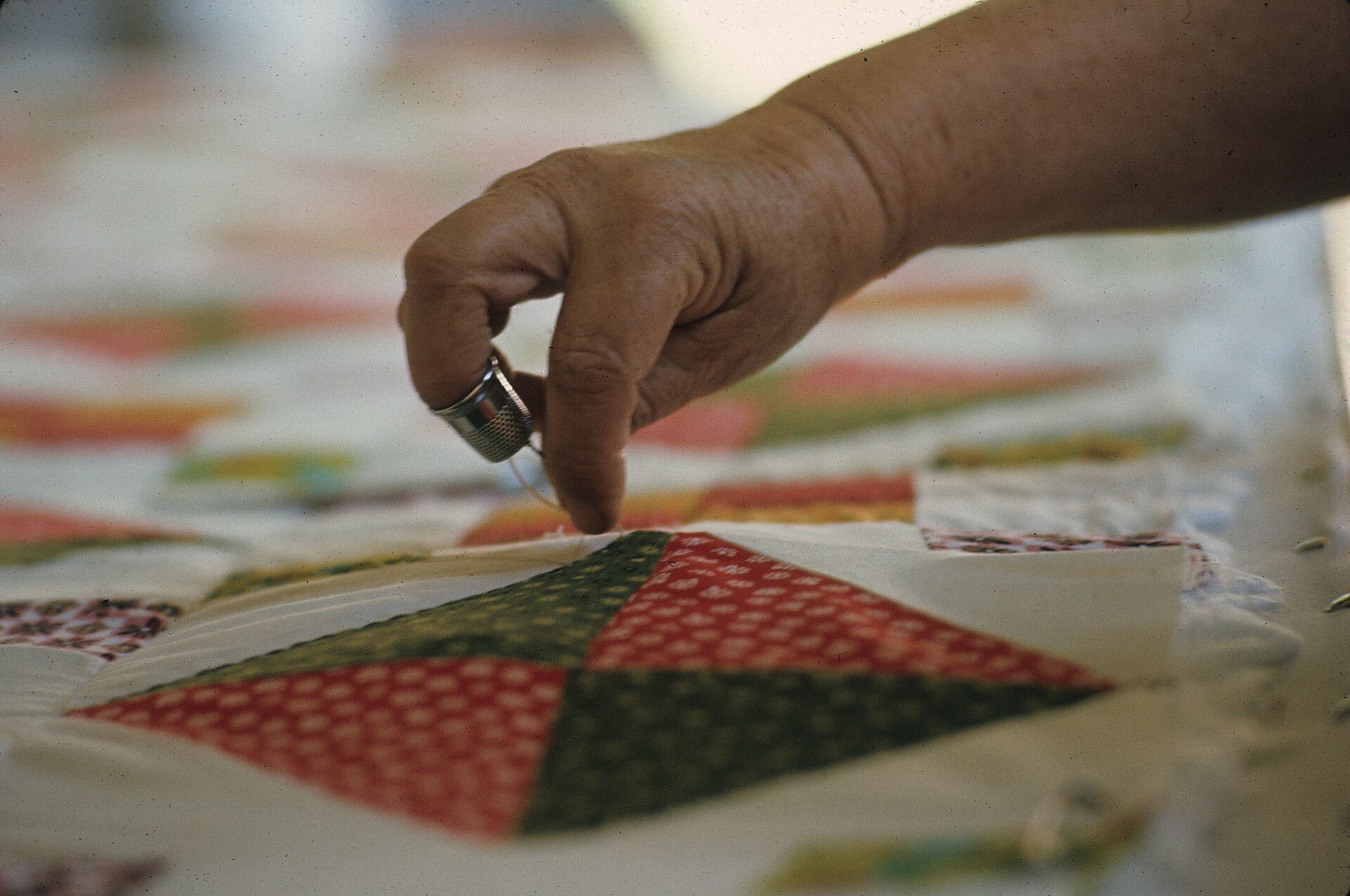
Quilting is having one of those rare moments where something slow, practical, and deeply human feels oddly modern again. In 2026, people are still joining quilt guilds, learning from videos, swapping block patterns, and showing up to community events because the craft gives them more than a finished blanket. It gives them a table, a purpose, and a conversation that does not start with a password reset.
That mix matters. Quilting works for people who like hands-on creativity, people who want a steadier pace than endless screen time, and people who enjoy learning from someone sitting right across the room. The 2026 quilting consumer survey from Craft Industry Alliance points to a craft that continues to reach new makers through different channels, including online discovery and community learning. In other words, quilting is not staying alive by accident. People keep finding it where they already are.

What quilting gives a community
The short answer is connection. A quilt group gives people a reason to gather regularly, share skills, and compare fabric choices without anyone needing to pretend they are not emotionally attached to a perfect seam. It is a craft that naturally makes room for beginners, because even a very simple block can be useful, beautiful, and part of a larger group effort.
It also leaves room for stories. The Quilters’ Save Our Stories project from Quilt Alliance shows how often quilts carry family memories, community history, and personal milestones. A quilt can be a practical object and a record of who made it, why it mattered, and who it was meant for. That is a lot of meaning for something that also has to survive a picnic table and a windy gymnasium.
If you want the plain version: quilting keeps giving people a place to belong while they make something useful together.
Why it feels especially relevant now
Part of the appeal is that quilting is the opposite of disposable. It takes time, attention, and a little patience, which may be exactly why it stands out in a digital world full of quick takes and faster scrolling. People are not only looking for products; they are looking for practices that help them slow down and make something real.
That same feeling shows up in museum and cultural attention to women’s craft traditions. The Smithsonian has recently highlighted how state fair craft histories help preserve women’s stories in public collections, which is a useful reminder that “domestic” craft has always been part of bigger cultural history, not something tucked away in a corner and forgotten. For more on the broader craft context, see the Smithsonian Magazine piece on women’s stories from state fairs to the Smithsonian.
Quilt groups are also keeping the tradition active through current participation programs. The Quilt Alliance continues to support quilt storytelling, exhibits, and public engagement, and its 2026 Quilt Challenge is a good example of how community participation can still feel fresh without losing the craft’s handmade feel.
What local groups can do with that energy
Community quilt traditions work best when they stay welcoming. That usually means a few simple things:
- beginner-friendly blocks or take-home kits,
- clear labels that explain the quilt’s story or purpose,
- display areas where people can stop and ask questions,
- donation quilts or fundraiser pieces with a clear use, and
- volunteer roles for people who sew, sort, hang, explain, or cheer from the sidelines.
Those details matter because they lower the “I would like to join, but I do not own a professional-grade anything” barrier. That is where a lot of good community programming starts.
For Friendship Days, that same approach fits naturally with local events and family participation. A quilt display can become a conversation starter, a fundraiser, or a place where older and younger makers compare notes on everything from hand stitching to the best way to keep a stack of fabric from becoming a small domestic landslide. If you are looking for ways to help, visit our Support page or see what is planned on Festival Events.
Easy ways to get involved
You do not have to become a master quilter before joining in. A few practical starting points:
- Attend a guild meeting or quilt show.
- Start with one simple block or a small patchwork project.
- Ask a family member about the story behind an old quilt.
- Volunteer to help display or label quilts at a community event.
- Share a photo or note about a quilt that matters to your family.
If you are not sure where to begin, the best first step is usually the least dramatic one: show up, ask a question, and bring your willingness to learn. That is usually enough.
To connect with Friendship Days, you can also read more about the organization on our About page or Contact us with a question. And if you are ready to help keep community traditions lively, start with supporting the work that makes those gatherings possible.
The takeaway
Quilting communities still matter because they do something modern life often forgets to make room for: they gather people around a shared task, a shared story, and a shared result. In 2026, that combination still works. Maybe especially now.
For Friendship Days, quilting is more than a display. It is a way to keep neighbors connected, celebrate creativity, and pass practical skills from one generation to the next. If that sounds worth keeping, it probably is.