Why Live Music Still Brings Communities Together at Local Festivals
Why live music still pulls people together
n
At a local festival, live music does more than fill the silence between food stalls and booth tables. It gives people a shared reason to pause, listen, and end up standing near each other for longer than they planned. That sounds small, but community is often built out of tiny delays: one more song, one more chat, one more “let’s stay a bit.”
n
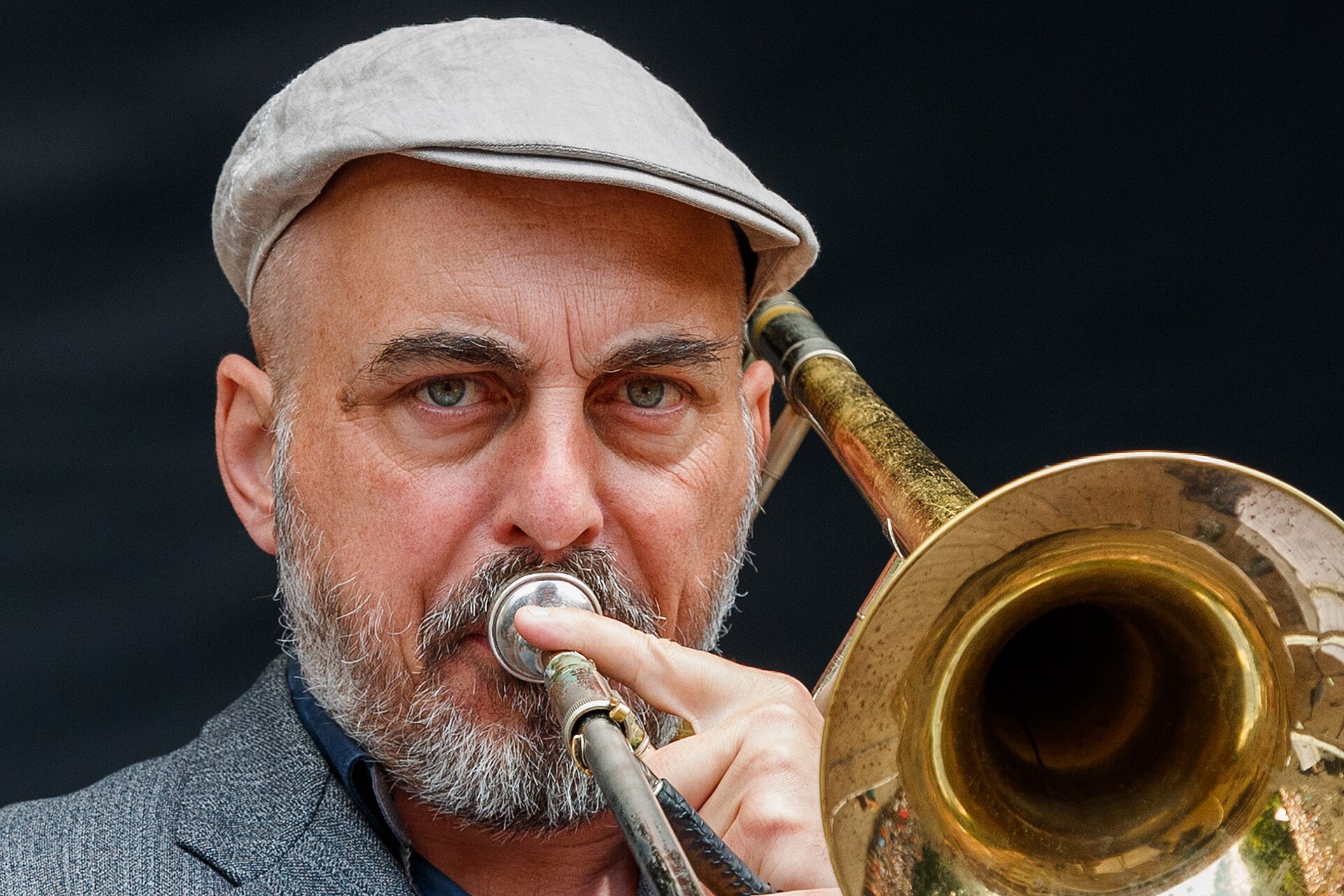
At a local festival, live music does more than fill the silence between food stalls and booth tables. It gives people a shared reason to pause, listen, and end up standing near each other for longer than they planned. That sounds small, but community is often built out of tiny delays: one more song, one more chat, one more “let’s stay a bit.”

That is one reason community festivals like Friendship Days festival events often pair music with food, seating, and activity areas. The music draws people in; the shared space keeps them there. If you want a simple comparison, think of live music as the friendly spark, while benches, shade, and snacks do the heavy lifting of making strangers behave like neighbours.
What the research says about live music and belonging
Recent research keeps pointing in the same direction: people experience live music as socially meaningful, not just entertaining. A 2025 systematic review in SAGE found that audience members commonly reported connection, shared values, empowerment, and a sense of community after attending live music events. Read more in the systematic review on social outcomes for live music audiences.
A separate 2025 study in the Journal of Community & Applied Social Psychology linked live music attendance with well-being and behaviour changes. That does not mean a brass band is a magic wand. It does suggest that shared live experiences can shift how people feel and act in a group setting.
The National Endowment for the Arts has also noted that arts participation often connects with socialising and civic engagement. You can skim the NEA report on arts participation and civic engagement for a broader view of why these gatherings matter beyond the stage itself.
What successful community festivals do well
If you look at events like Summerfest’s community work, the pattern is pretty clear: music is strongest when it is part of a wider community experience. Successful festivals usually make space for local giving, accessible entry points, and reasons to stay longer than one set.
That idea fits Friendship Days too. When music sits alongside food, booths, seating, and family activities, people are more likely to bump into someone they know, meet someone new, and actually have the time to finish a conversation before the next song starts. Revolutionary stuff, really: chairs and snacks remain undefeated.
Practical tips for organisers
- Place the stage where people can hear it without blocking movement. A stage that is visible but not in the middle of every pathway tends to work best.
- Mix performance times with natural break points. Short gaps between sets give families time to buy food, visit booths, or regroup.
- Balance volume with conversation. If people have to shout over the music, they stop lingering. And if nobody lingers, the community part gets a bit shy.
- Book local performers where possible. Local musicians often bring local families, friends, and supporters with them.
- Keep programming inclusive. A good lineup usually means a mix of styles, ages, and performance times so different groups can find something that feels like theirs.
Music, seating, and food work as a team
The most welcoming festival spaces usually do three things at once: they give people something to enjoy, somewhere to sit, and a reason to stay. That is why a music schedule should be planned with the physical layout in mind. A great performance loses some of its power if there is nowhere nearby to rest, eat, or chat.
For organisers, that means thinking beyond the set list. It helps to ask: where do families gather between songs, how easy is it to get around the stage area, and what will make first-time visitors feel comfortable enough to return next year?
A simple Friendship Days planning checklist
- Choose performers who fit the event’s family-friendly tone.
- Place seating within easy view and earshot of the stage.
- Schedule breaks that give people time to talk and browse.
- Use volume levels that support conversation, not defeat it.
- Include local talent and a mix of ages or styles where possible.
- Coordinate music with food vendors, booths, and volunteer traffic flow.
For visitors who want the bigger picture, our About page explains the event’s community focus, and Support Friendship Days shares ways to help keep the festival welcoming for everyone. If you are planning your day, the main home page is the quickest place to start.
Live music is not a gimmick and it is not just background noise. At the best community festivals, it is the thing that helps people slow down, look around, and feel like they belong there for a while.