How to Make Community Festivals More Accessible: Practical ADA-Friendly Ideas for Organizers
If you want a festival day to feel welcoming instead of tiring, accessibility is where the good planning begins. The quiet truth is that many guests are not asking for a perfect event; they are asking for a clear path, a place to rest, and information they can actually use.
When people search for event accessibility, they usually want a few simple answers: Can I get there easily? Will I be able to hear and see what is happening? Can I take a break without feeling like I am in the way? And if I need help, who should I ask? Those questions are practical, not abstract. The ADA Guide for Small Towns walks through the basics organizers should think about for temporary public events, while the CDC’s disability inclusion guidance frames accessibility as removing physical, communication, and attitudinal barriers so people can participate fully.

That matters at community festivals because a small change can decide whether someone stays for the whole afternoon or leaves early feeling worn out. A smoother route, a shaded seat, a readable sign, or a staff member who knows where to point someone can turn a stressful visit into a good memory. In this guide, I will walk through the most useful accessibility improvements for organizers, with examples you can actually put on a planning list.
Why accessibility matters at community festivals
Accessibility is not a bonus feature. It is part of how a community says, “We thought about you before you arrived.” That message matters for people using mobility devices, families with strollers, older adults who need extra rest, people who are hard of hearing, and anyone who gets overwhelmed by crowded spaces or unclear directions.
Community events also work better when they are designed for more than one kind of body, one kind of pace, and one kind of way of getting information. The CDC’s disability ally guidance is a helpful reminder that inclusion is something organizers can practice in everyday choices: the route you mark, the words you use, the support you train, and the way you respond when someone asks for help.
Start with the basics: parking, drop-off, routes, and entrances
Begin with the first ten minutes of the visit. If people cannot park, unload, find the entrance, or reach the main area without confusion, everything else becomes harder.
- Reserve clearly marked accessible parking spaces close to the main entrance.
- Keep a drop-off area open long enough for people who need a slower arrival.
- Make sure routes are level, wide enough, and free of loose cords, boxes, and temporary clutter.
- Use simple signs that point toward entrances, restrooms, seating, and help desks.
- If a path changes during the day, post the update where people will actually see it.
If you need a practical planning reference, the ADA web accessibility guidance is useful for event pages too. Clear online directions and readable updates can prevent a lot of unnecessary friction before anyone leaves home.
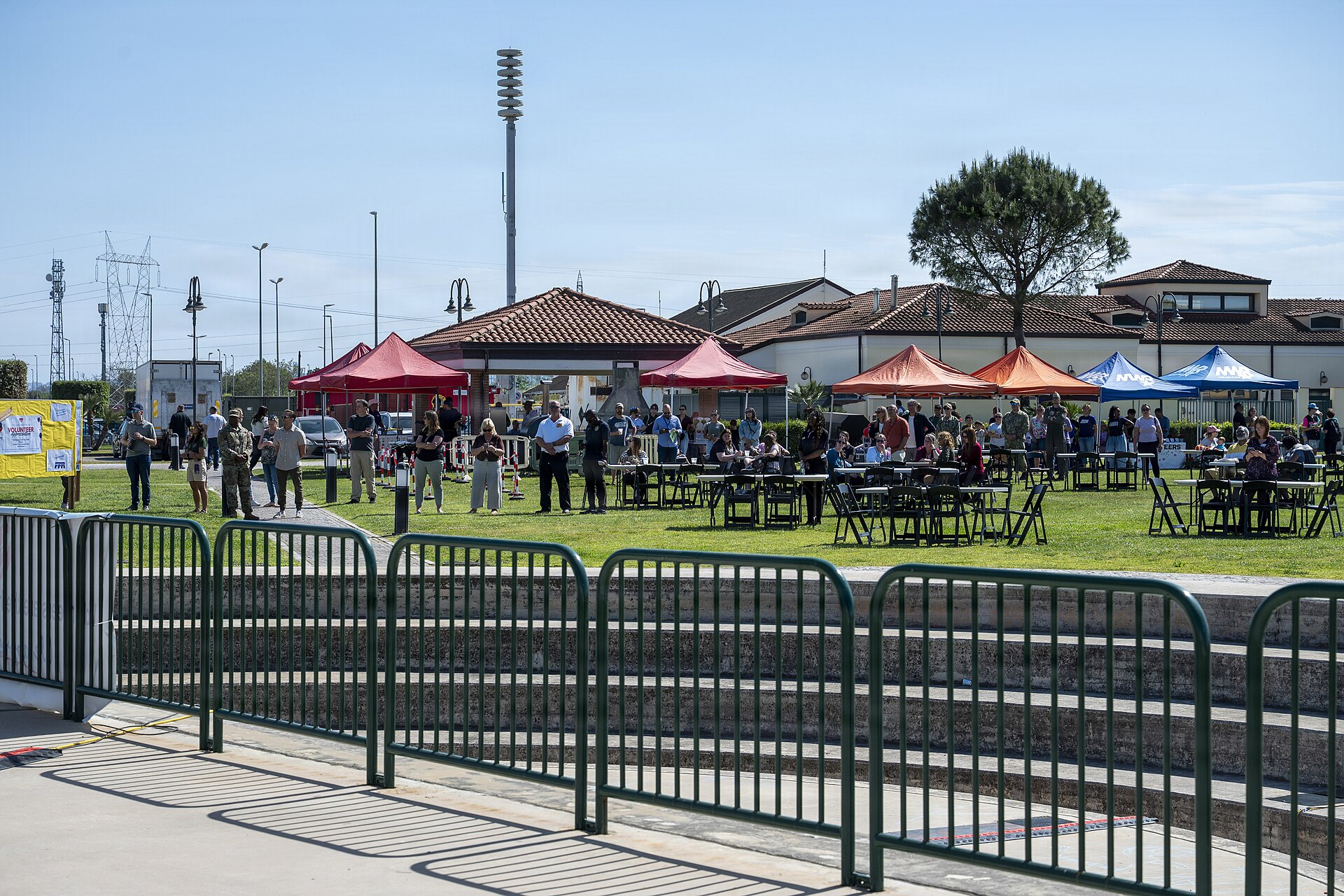
Seating, rest areas, and shade for people who need breaks
Some guests can handle a lively crowd for an hour and then need a pause. Others may need several pauses. That is not a problem to solve later; it is a normal part of designing a comfortable event.
Try to include:
- benches or chairs in several locations, not just one far-off rest zone;
- spaces where mobility devices can fit without blocking walkways;
- shaded areas or tents for hot or bright days;
- quiet corners for people who need a lower-stimulation break;
- clear signs that say where the rest area is and who can use it.
It helps to think of rest spaces the way you think about water stations: people should not have to earn them by asking the right person. The more visible and ordinary the option feels, the more likely people are to use it early, before they become exhausted.
Communication access: clear signage, captions, interpreters, and easy-to-read updates
Not all access is physical. People also need to understand what is happening, where to go next, and how to ask for support.
That is why communication choices matter so much:
- Use large, high-contrast signs with short, plain wording.
- Share schedule changes in the same places people already check, such as the event page or information booth.
- Provide captions for any live stage announcements, videos, or recorded content when possible.
- Offer interpreters for key announcements if your program includes speeches, performances, or presentations.
- Write updates in a clean, easy-to-scan format instead of a wall of text.
For online event pages and registration forms, the ADA’s web guidance is a good reminder that accessibility starts before the gates open. If your schedule is hard to read, people may never make it to the parts they were most excited about.
Accessible restrooms, food areas, and service counters
The most thoughtful festival layout in the world still has to work around everyday needs. Restrooms, food lines, and service counters are where a lot of hidden frustration appears.
Check that:
- accessible restrooms are available, clearly signed, and easy to reach;
- paths to restrooms do not require people to cross through crowded pinch points;
- food service counters include a lower or reachable section when possible;
- menus are readable at a distance, not only printed in tiny text;
- staff know how to answer simple questions kindly and directly.
A little training goes a long way here. Volunteers do not need a script; they do need a shared sense of what helpful looks like. “Let me show you,” “That route is over here,” and “I can get someone to help” are all more useful than a vague gesture and a hurried smile.
How organizers can ask for feedback and make improvements before event day
Accessibility gets better when organizers treat feedback as part of planning, not as a complaint box at the end.
Before event day, you can:
- ask returning guests what felt easy and what felt tiring last time;
- invite local disability advocates or community members to walk the site with you;
- include an accessibility question on your contact form or event survey;
- post a simple message inviting people to share specific needs early;
- assign one person to track the suggestions and follow up.
If you need a practical place to send people, the Support page is a natural home for accessibility questions, while Contact can make it easy to send a note before the event. And if you are looking for the broader event calendar, visit Festival Events for current dates and details.
Not every improvement has to happen at once. The useful question is not, “Can we rebuild everything by Friday?” It is, “What can we make easier before the first guest arrives?”
A simple attendee checklist for a more comfortable visit
If you are planning to attend a community festival, this short checklist can help you decide what to look for or ask about:
- Is there accessible parking or a clear drop-off point?
- Are the main routes level, wide, and easy to follow?
- Is there seating or a shaded rest area?
- Are signs easy to read and updates easy to find?
- Are restrooms, food areas, and help desks clearly marked?
- Can you reach the organizer if you need to request support before the event?
When a festival answers those questions clearly, more people can say yes with confidence. That is good planning, and it is also good hospitality.
If you want to keep the conversation going, start with the essentials on the home page, then reach out through Contact if you need something specific. A welcoming event is built one small decision at a time.
For further reading, official guidance from the U.S. Department of Justice and the CDC can help organizers think through both in-person and online access.