Friendship Days: A Celebration of Local History and Heritage
Introduction to local heritage
Local heritage is the lived record of a community: its stories, its objects, its routines, and the people who keep showing up to preserve all three. Friendship Days treats that record as something worth displaying, discussing, and passing forward—not as a museum piece trapped under glass, but as a working part of community life.
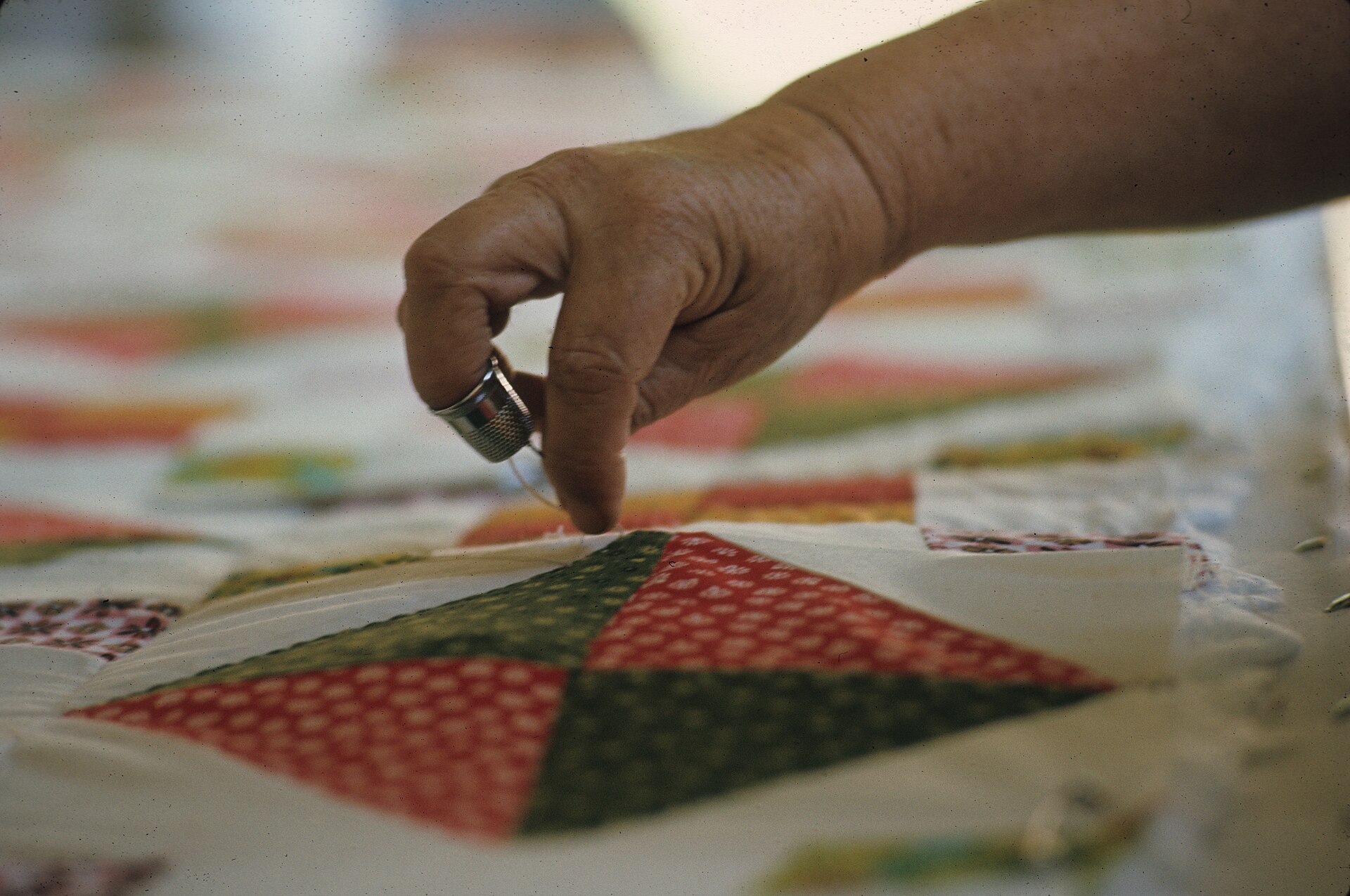
For readers who want the broader context, the idea of community-based preservation lines up with organizations like the Quilt Alliance, which treats textile traditions as living history rather than static memorabilia.
Activities celebrating history
Friendship Days can honor local history through a mix of exhibits, presentations, demonstrations, and informal conversation. The point is not to create a solemn corridor of facts. The point is to build a place where history is easy to approach.
- Historical displays that show photographs, handmade items, and preserved documents.
- Demonstrations where community members explain how a tradition was made or used.
- Story tables that invite visitors to share memories, family names, and local landmarks.
- Presentation sessions where speakers connect older community practices to the present day.
Those activities work because they turn passive viewing into participation. People learn more when they can stand near the display and hear the why behind it. This is the difference between a label and a story.
If you want to see how public-facing history programs are described in practice, the National Park Service cultural resources overview is a useful reference point. It shows how organizations document and interpret heritage without turning everything into a lecture hall.
Interviews with local historians
Local historians add the kind of detail that keeps a heritage celebration from floating off into general nostalgia. Their job is not to make everything sound grand; it is to make everything sound true.
“A community remembers itself through the objects it saves and the stories it repeats. If Friendship Days keeps those stories in public view, it is doing real preservation work.”
Local historian interview notes
Another historian might frame it this way:
“The value of an event like this is not just that it looks back. It gives younger visitors a way to connect a family story to a place, and that connection tends to stick.”
Local historian interview notes
That perspective matters because heritage is not automatically preserved by existing. It survives when people explain it well enough for the next generation to care. For a wider view of historical interpretation and public memory, public history is a helpful overview of how communities turn research and memory into shared understanding.
Importance of preserving history
Preserving history is not about living in the past. It is about not losing the instructions for how a community became itself. That includes the obvious things—events, buildings, traditions—but also the quieter ones: the volunteer habits, the family recipes, the crafts, the songs, the repeated jokes that somehow keep coming back every year.
Friendship Days helps preserve that mix by making heritage visible to people who might not otherwise seek it out. A child who stops at a display table may remember one photo or one story. A parent may remember a name. A volunteer may remember the person who explained how something was made. The chain is unglamorous, which is another way of saying it works.
Community involvement is the engine here. When residents contribute artifacts, memories, or time, they help build a shared record instead of a private one. The Historical Association offers a useful reminder that history stays meaningful when people actively interpret and share it, not when it is simply stored away and admired from a safe distance.
That is why local heritage events have value beyond a single weekend. They create habits of care: learning names, asking questions, and treating the community record as something worth maintaining.
Conclusion
Friendship Days succeeds as a celebration of local history because it does more than display the past. It invites people to take part in it. Through exhibits, presentations, conversations, and interviews with local historians, the event keeps community heritage visible and useful.
For residents and visitors alike, that kind of celebration builds belonging. It says the story of the place is still being written, and everyone has a role in keeping the pages legible. If you want to explore more site updates and related stories, visit the blog, learn more about Friendship Days, or return to the homepage for the latest information.