Friendship Days Through the Lens: Photography Tips for Attendees
Introduction to Event Photography
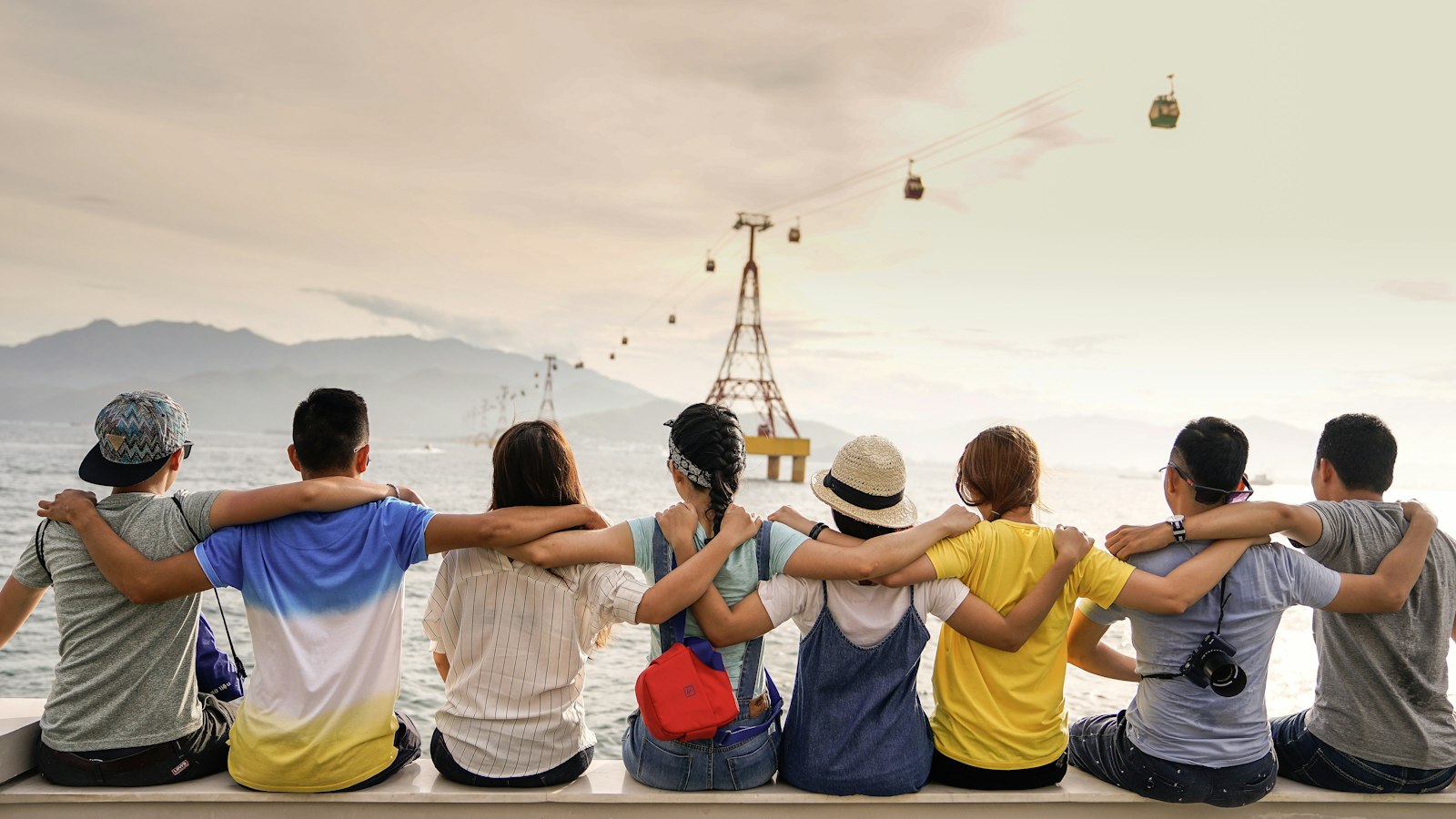
Friendship Days gives attendees a chance to capture more than a schedule or a stage. It is a living set of moments: volunteers at work, families moving between activities, and small interactions that often become the best memories. If you want stronger results, start with a simple rule: prepare before the event, then stay observant once you arrive. The goal is not to force every scene. It is to notice the right one before it passes.
For a broader overview of community event planning and public-facing event basics, the Friendship Days home page is a useful starting point. If you want more site articles on attendance and planning, check the blog index. For background on the event itself, visit the About page.
If you want to sharpen your approach, the event photography overview is a plain-language reference, while Adobe’s basic image adjustment guidance is useful when you later refine color and exposure.
Essential Gear to Bring
Keep the kit small unless you truly need more. A lighter bag is easier to manage in crowds, and crowds are not fond of extra gear swinging at knee height.
- Camera or smartphone: A capable phone is enough for many attendees, especially if you know its camera app well.
- Lens choice: A versatile zoom or a single fast prime is usually better than carrying several lenses you will not change.
- Extra battery and memory card: These are not optional if you plan to shoot seriously.
- Small tripod or stabilizer: Use it only where space and rules allow.
Apple’s iPhone camera guide and Google’s Photos help pages are practical references if your main tool is a phone. If you are using a camera, the Nikon event photography tips page covers the same discipline from a camera-first angle.
Tips for Capturing Moments
Good event photos depend on timing, not just equipment. Stay close enough to the action to tell the story, but not so close that you interrupt it. Use these habits throughout the day:
- Watch for candid moments. Look for expressions, gestures, and small exchanges between people. Those details often matter more than posed shots.
- Frame with purpose. Keep backgrounds simple. Move your feet before you zoom heavily, because changing your position usually improves the image faster than any setting.
- Use available light first. Shoot in open shade or softer light when possible. Harsh midday sun can flatten faces and create hard shadows.
- Take short bursts. When a moment matters, take a few frames. One image may miss; the next may hold the expression you wanted.
- Respect the scene. If someone clearly does not want to be photographed, lower the camera. A good memory should not come at the expense of someone’s comfort.
The Digital Camera World event-camera guide can help readers who want a deeper equipment comparison, but the core rule stays simple: prepare, watch, and wait for the right moment.
Editing and Sharing Your Photos
Once the event is over, do a careful first pass. Remove obvious misses, then make modest corrections. Keep the edit believable. The best photo is still the one that actually happened.
- Crop thoughtfully: Tighten the frame only when the crop improves the story.
- Adjust exposure and color: Use gentle corrections rather than dramatic filters.
- Rename and organize: Group your files so you can find the best images later.
- Share with context: Add a short caption that explains who or what is happening in the scene.
For basic editing, Adobe’s photo editing overview and the official Google Photos tools are enough for most attendees. If you post to social media, keep your captions accurate and respectful. A small album or slideshow is often better than a flood of nearly identical frames.
Conclusion
Friendship Days rewards patient observers. Bring modest gear, stay attentive, and keep your approach disciplined. That is usually enough to leave with photos that feel honest and memorable. If you want more event guidance, the blog has practical articles for attendees, and the About page explains the event’s community focus.