A Guide to the Best Food Vendors at Friendship Days
Food Is Part of the Friendship Days Experience
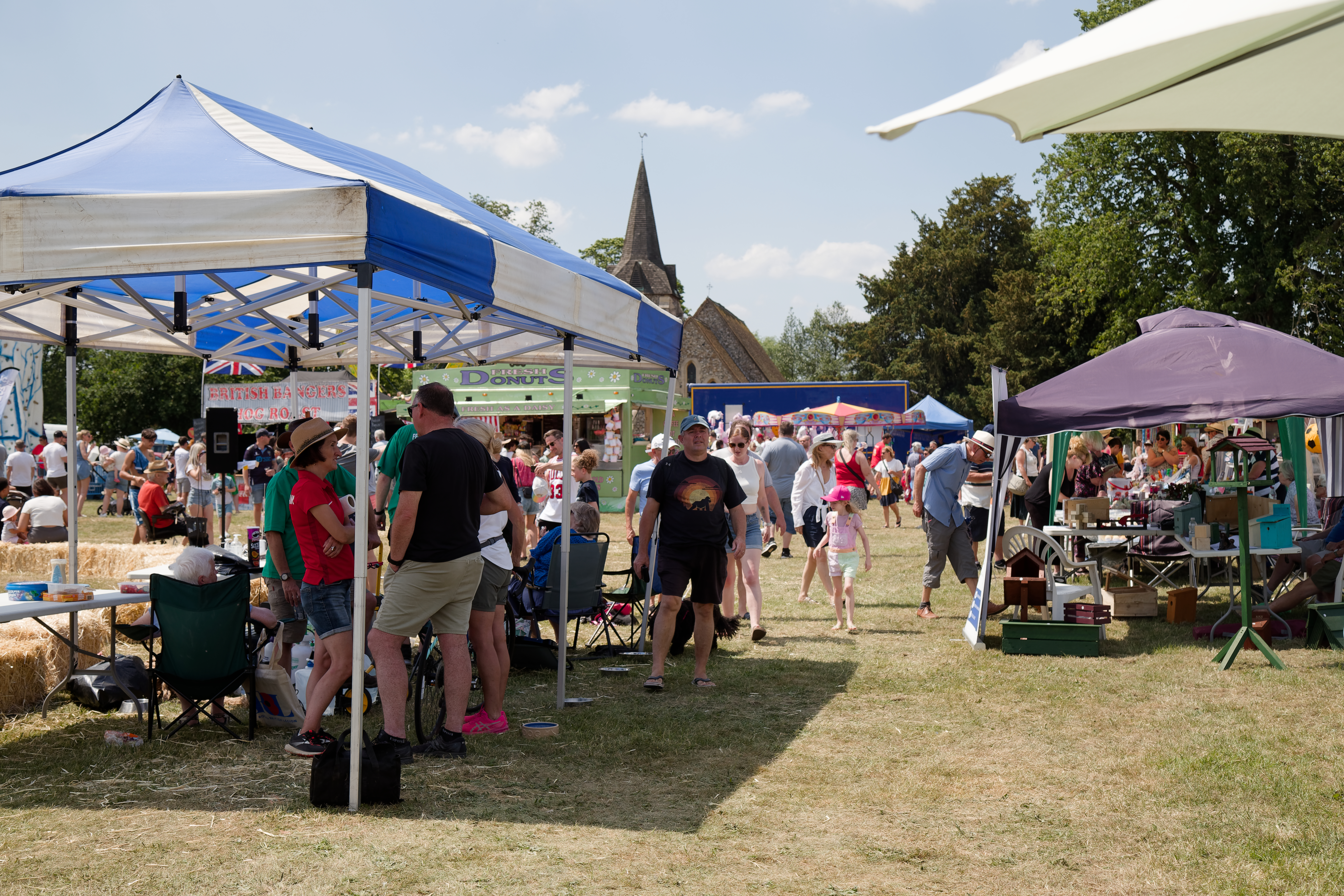
At Friendship Days, the food line is more than a place to grab lunch. It is where neighbors compare notes, kids debate dessert like it is serious civic business, and visitors discover local flavors they might come back for later. If you are planning your day around good food, you are in the right place.
For a quick sense of the event itself, start at the home page, then browse the blog for more guides, stories, and updates. You can also check the about page to get a feel for the community behind the event.

The Best Food Vendors to Try First
Every festival has its “where do we eat first?” question. At Friendship Days, the answer usually comes down to a mix of comfort food, sweet treats, and local specialties. Here are five vendor types that are worth your attention.
1. The Classic Grill Stand
If you want the dependable festival starting point, the grill stand usually has it covered. Think burgers, hot dogs, brats, and simple sides that travel well from grill to plate. It is the kind of stop that works for everyone in the group, including the picky eaters who mysteriously only approve of food when it is handed to them on a bun.
What makes this stand a favorite is speed and familiarity. It is easy to order, easy to share, and usually easy on the budget.
2. The Homemade Dessert Table
Some people plan their whole visit around dessert, and honestly, that is a valid strategy. Pie slices, cookies, brownies, and seasonal treats often show up at the dessert table, usually made by local volunteers or bakers who know how to disappear a tray fast.
Look for specials that feel local to the event, such as fruit pies, frosted bars, or one-pan desserts that are simple to serve and easy to carry.
3. The Comfort Food Booth
This is where you go when you want something hearty. A comfort food booth may serve pulled pork sandwiches, chicken dinners, chili, sloppy joes, baked potatoes, or casserole-style meals. These dishes are popular because they hold up well during busy service and give you a real meal, not just a snack pretending to be lunch.
If you are visiting with family, this booth can be a good anchor before you go back out to the rest of the event.
4. The Fresh Snack and Produce Stand
Depending on the season and the vendors present, you may find fresh fruit, vegetables, kettle corn, pickles, roasted nuts, or other lighter snacks. These stops are great when you want something between meals or want to balance out a plate that may already be doing the most.
Fresh snack vendors also help support local growers and small producers, which is a nice bonus when you are browsing the grounds.
5. The Local Specialty Vendor
These are the booths that give the event its personality. A specialty vendor might focus on a family recipe, a regional dish, or one signature item they have polished over the years. It could be homemade ice cream, specialty sandwiches, ethnic comfort food, or a baked good with a loyal following.
If you see a line that is somehow both long and cheerful, this is often the booth to watch. People do not queue for nothing.
How to Choose What to Eat
If you are trying to decide where to start, here is the short version: choose one savory item, one sweet item, and one “I have never tried this before” item. That gives you variety without turning your plate into a crowded parking lot.
- Choose a main dish first if you are arriving hungry.
- Share a dessert if you want to try more than one booth.
- Visit your favorite local vendor early if their most popular items tend to sell out.
Food Safety Tips for Festival Days
Festival food should be fun, not fussy, but a few simple habits make a big difference. The FoodKeeper guidance from FoodSafety.gov is a helpful reminder that temperature and timing matter, especially when food sits out in warm weather. The FDA’s food safety basics also offer a good plain-English checklist for safe handling.
- Watch for clean serving areas and vendors who handle food with obvious care.
- Choose foods that are cooked thoroughly and served hot when they should be hot.
- Be cautious with dairy, mayonnaise-based salads, and other items that sit out for long periods.
- Wash or sanitize your hands before eating, especially if you have been touching rides, railings, money, or crowd-heavy surfaces.
- If something looks or smells off, skip it. Trust your senses; they are usually trying to help.
For a broader look at common foodborne illness prevention, the CDC food safety page is a clear resource worth bookmarking.
How to Support Local Food Businesses
Buying a meal is the obvious way to support a vendor, but it is not the only one. Local food businesses often benefit from small actions that add up over the course of a festival weekend.
- Tell people what you liked. A quick recommendation can send the next hungry family their way.
- Pay with a smile and a little patience when lines are long. Busy booths move faster when the crowd stays kind.
- Share a photo or mention the vendor on social media if the event encourages it.
- Ask about take-home items, packaged treats, or future local sales.
- Return to the same booth later if you enjoyed the first visit and want to try another item.
Supporting local vendors keeps more of the event’s value close to home. It helps small businesses gain visibility, build regular customers, and keep offering the foods people look forward to year after year. If you want to understand more about why that matters, the idea of supporting local businesses is simple: community spending tends to have a wider ripple effect than a one-time purchase at a chain counter.
A Quick Map for First-Time Food Explorers
If this is your first Friendship Days food run, try this order: one savory stop, one sweet stop, then a lap around the grounds before deciding whether you need a second round. It keeps the day relaxed and gives you room to spot the booths you might have missed on the first pass.
For readers who like a little planning with their snacking, this is a good event to treat like a tasting tour rather than a single meal. You will have more fun, and your basket will not need its own parking permit.
Conclusion
The best food vendors at Friendship Days do more than feed a crowd. They add personality, support local businesses, and give the event its warm, busy, everybody-knows-someone-here feeling. Whether you are there for the grill, the desserts, or the specialty booth with the longest line, the food is part of the experience.
If you have a favorite vendor, tell a friend about it the next time you visit. Good festival food has a way of becoming a tradition all by itself.