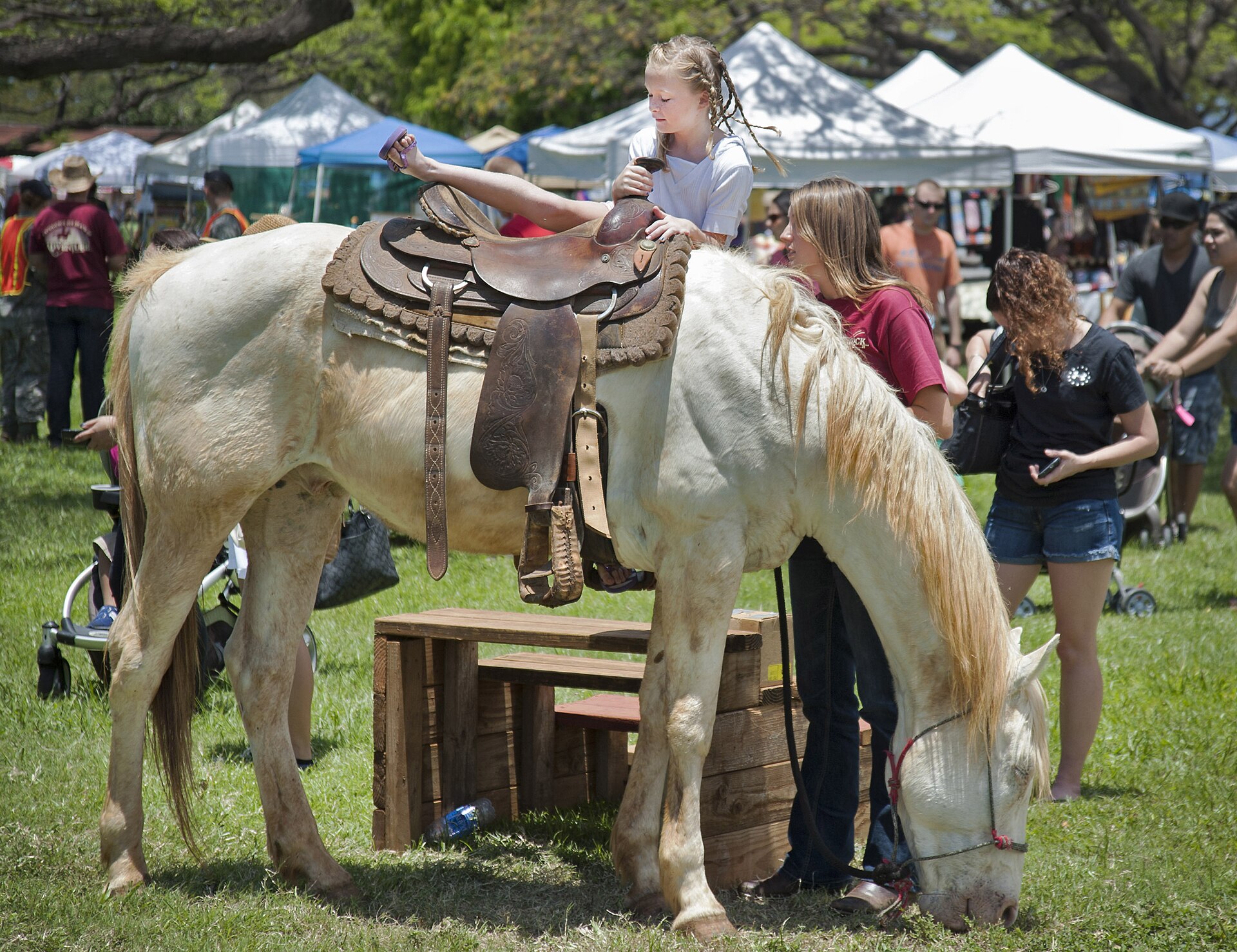
Friendship Days community gathering in Pettisville

7 Ways to Build a Friendly STEM Festival Booth

If a STEM activity table feels welcoming in the first ten seconds, families usually stay long enough to learn something, make something, and remember the festival for more than the food line.

When I sketch out a STEM corner for a hometown event, I hear the same questions right away:

  • What can children actually do with their hands instead of only watching?
  • How much equipment is enough for a small volunteer team?
  • What keeps the booth friendly for parents, grandparents, and first-time visitors?
  • How do we make the activity educational without making it feel like homework?

“Somewhere, something incredible is waiting to be known.” Carl Sagan

That line works for community events because curiosity is usually the easiest door into learning. When I look for activity ideas, I tend to start with large public collections such as NASA STEM and the National Science Foundation education resources. They are useful reminders that hands-on exploration does not require a giant lab, a complicated budget, or a school-day setting to be meaningful.

This guide walks through the booth format I would trust for Friendship Days: a simple promise, a fast activity cycle, clear volunteer talking points, visible materials, and a realistic follow-up plan that sends people to the right place when they want more information.

Updated: May 20, 2026

Visitors walking past community festival booths on a sunny day.
Community booths work best when they feel open, visible, and easy to join.

What I Mean by a STEM Festival Booth

For this article, STEM means science, technology, engineering, and math presented in a way that visitors can immediately try. A good festival booth is not a lecture station. It is not a poster covered in jargon. It is not a folding table full of materials without any explanation. It is a short invitation to investigate.

I think of a strong booth as a four-part system:

  • See: the activity is obvious from the walkway.
  • Touch: the visitor can handle something within seconds.
  • Explain: a volunteer can describe the point in one or two sentences.
  • Continue: the family can take away a simple next step.

That framework keeps the experience grounded. It also protects volunteers from overbuilding. The most common mistake I see is trying to fit a whole classroom lesson into a ten-minute festival stop.

Why a Learning Booth Fits a Community Festival

Friendship Days already leans on local craftsmanship, volunteer effort, and neighbor-to-neighbor conversation. A STEM booth fits that atmosphere when it is framed as a friendly activity table rather than a formal program. Families are already moving between food, music, community booths, and support tables. A well-run learning stop becomes one more reason to linger.

I also like STEM programming at festivals because it serves several audiences at once. Younger children get a tactile challenge. Older students get something to explain or improve. Adults get a reason to ask questions and join the conversation. Volunteers get a booth that creates interaction instead of passive foot traffic.

The booth should feel like part of the festival, not like an imported school hallway. That means short cycles, familiar materials, clear signage, and enough flexibility for people to join midway through.

1. Start With One Clear Promise

Before I pick materials, I write one sentence that answers this question: what will a family be able to do here in five minutes? If I cannot answer that plainly, the booth is not ready. Good examples are simple:

  • Build a paper structure that stands on its own.
  • Test which bridge shape holds the most weight.
  • Launch a straw rocket and change one variable.
  • Sort mystery items by magnetism, density, or texture.

Bad promises are too broad. “Learn about engineering” is not a promise. “Discover STEM careers” is not a promise. Those are themes. A festival booth needs an action. People stay when the task is specific enough to begin immediately.

At Friendship Days, I would choose an activity that can be reset quickly and explained by volunteers with different comfort levels. Paper towers, simple machines, wind-powered cars, and low-mess design challenges work well because they reward tinkering instead of perfection.

2. Design for Five-Minute Wins

Festival traffic is different from classroom time. Families are moving. A parade might be starting. Someone has lemonade in one hand and a toddler in the other. That is why I plan every booth around five-minute wins instead of long demonstrations.

A five-minute win has three stages:

  1. Hook: a volunteer asks one easy question such as “Do you think this tower can stand taller than your hand?”
  2. Build or test: the visitor gets materials immediately and tries the activity.
  3. Reflect: the volunteer asks what changed, what worked, or what they would try next.

That pattern matters because it respects the pace of the event. It also creates a sense of completion. People remember moments they finished, not tasks they abandoned halfway through.

If the activity can scale, even better. A younger child might simply stack and test. An older student might measure, compare, or redesign. The booth stays inclusive without needing separate staffing or separate lines.

3. Use Familiar, Low-Risk Materials

I prefer booth materials that volunteers can explain without special safety training and that families recognize immediately. Paper, tape, straws, cups, index cards, rubber bands, wooden sticks, string, magnets, washers, and measuring tools are usually enough. They are affordable, easy to replace, and simple to clean up.

Using familiar materials also helps visitors feel competent. They do not need to understand a device before they begin experimenting. That makes the booth more welcoming for grandparents, younger siblings, and adults who might otherwise stand back and watch.

There is another advantage: low-risk materials make reset time manageable. If a volunteer can restore the station in under one minute, the booth can survive a steady crowd. If the reset takes longer than the activity, traffic will stall.

I would rather run one sturdy low-cost challenge all afternoon than a flashy experiment that only works twice an hour.

4. Make the Activity Visible From the Aisle

A festival booth has to compete with distance, noise, and movement. Families decide whether to approach before they hear your explanation. That is why the visual setup matters as much as the learning objective.

When I lay out a booth, I want a visitor to understand three things from a few steps away:

  • There is room to join.
  • Someone is actively doing the activity.
  • The materials are safe and approachable.

That means keeping the table edge open, avoiding clutter, and putting one finished example where people can see it. I would not crowd the front edge with stacks of papers or sign-up sheets. Paperwork can live at the side. The action belongs in front.

Good booth visibility also supports accessibility. Parents can tell whether the station fits their child. Volunteers can notice when someone is waiting for a turn. Visitors who are unsure can watch briefly before stepping in. Openness lowers the social barrier to participation.

5. Give Volunteers a Reliable Script

Many community volunteers are generous and capable but do not want to improvise a science lesson all day. I do not expect them to. A one-page script solves most of the problem.

The script I like has five short parts:

  1. A greeting: “Want to try a quick building challenge?”
  2. The task: “See if you can make a tower taller than your hand.”
  3. One rule or limit: “You can use only these materials.”
  4. One reflection question: “What changed when you widened the base?”
  5. A closing line: “You can ask the support team if you want details on future activities.”

This kind of script protects the tone of the booth. It keeps volunteers from overexplaining and keeps the invitation friendly. It also makes shift changes easier, which matters during long events when helpers rotate in and out.

If the committee ever decides to coordinate signups, supply lists, or volunteer shifts in one place, even a modest web app generator can be more practical than scattered text threads. For a single booth, though, a printed checklist and one dependable captain are usually enough.

6. Connect the Booth to the Rest of the Festival

A STEM corner should not feel isolated from the rest of Friendship Days. I like to connect it to the festival in obvious ways. If the event already values local craftsmanship, the activity can focus on design, building, or pattern. If volunteers are raising support for shared public spaces, the activity can invite families to solve a small “community build” challenge. If the site already guides people to core event information, the booth can point them back to Festival Events for the broader schedule and to Support for questions about participation.

That connection does two things. First, it makes the booth feel native to the event instead of borrowed from somewhere else. Second, it gives families a clear next step. The booth should create momentum, not a dead end.

I also like to give children a tiny takeaway question instead of a bag full of materials. “What would you change if the tower had to survive wind?” works better than a complicated handout. It keeps the learning portable and keeps the cleanup sane.

7. Treat Safety and Hospitality as the Same Job

Safety is not a separate checklist that appears at the end. It shapes the booth from the beginning. Sharp edges, loose cords, unstable displays, or messy liquids can turn a friendly station into a problem fast. I prefer setups where children can participate at standing height, materials stay within clear boundaries, and the volunteer can see the whole workspace without leaning over people.

Hospitality matters just as much. A booth can be technically safe and still feel unwelcoming. I try to watch for:

  • Volunteers facing one another instead of the walkway.
  • Instructions written too small to read.
  • Only one “right” answer displayed.
  • Families waiting without knowing where to stand.

Welcoming design is a safety tool because confusion creates crowding. If families know where to enter, where to build, and when they are finished, the booth stays calmer and easier to supervise.

A Simple Planning Table I Would Use

Booth element Why it matters Low-cost example
Clear challenge sign Explains the activity before a volunteer speaks “Build the tallest free-standing tower in 5 minutes”
Visible sample Shows the goal without forcing one correct answer One finished tower and one collapsed attempt
Fast reset bin Keeps traffic moving during busy periods Pre-sorted cups, tape tabs, and spare cards
Volunteer script card Keeps explanations friendly and consistent Laminated half-sheet with prompt, rule, and question
Next-step sign Routes families to the right follow-up Short note directing questions to Support

Examples of Booth Concepts That Usually Work

When I need a short list of dependable booth ideas, I come back to concepts that are easy to explain and easy to repeat:

Paper Tower Challenge

Visitors use paper and tape to build the tallest free-standing tower they can manage. This works because the materials are familiar and success is visible from across the aisle. It naturally opens a conversation about balance, structure, and redesign.

Bridge Test Station

Families build a small bridge from cards or sticks, then test how many washers it can hold. The learning goal is immediate: shape changes strength. Volunteers can ask one strong reflection question without slowing the line.

Straw Rocket Table

Children launch paper rockets from straws and change one variable such as fin shape or body length. This activity creates motion, which is helpful for attracting attention, but it still uses low-cost materials and a small footprint.

Mystery Materials Sort

Participants sort items by magnetism, flexibility, weight, or texture and explain the pattern they notice. This is a strong choice when space is tight or when volunteers need an activity with almost no reset time.

The best concept is not the most impressive one. It is the one your team can run well from the first visitor to the last.

Mistakes I Would Avoid on Event Day

I have seen good booth ideas stumble because the team tried to solve every problem with more materials. More materials usually mean more decisions, slower explanations, and a messier table. If I want the station to feel calm, I cut the choices down until the purpose is obvious.

The second mistake is hiding the activity behind too much signage. A sign should invite, not replace, the volunteer. One headline, one challenge, and one short prompt are enough. If the poster reads like a worksheet, families keep walking.

The third mistake is giving volunteers no recovery plan when traffic spikes. I like to prepare one “fast lane” version of the activity for busy moments. For example, if the full bridge challenge normally includes redesign, the fast version can focus on one build and one quick test. A booth that can flex under pressure stays friendly.

The fourth mistake is treating cleanup as someone else’s problem. I would assign one volunteer per shift to watch supply levels, reset bins, and keep the table edge open. That person is not secondary support. They protect the whole experience.

Finally, I would avoid promising outcomes that the booth cannot deliver. A single activity table cannot solve long-term STEM engagement on its own. What it can do is create a positive first encounter, show that problem-solving is social and fun, and give families a reason to come back for the next opportunity.

A Booth-Day Checklist That Keeps Things Moving

Right before opening, I would run a checklist like this:

  • Place one finished sample where it is visible from the walkway.
  • Test the activity once using only the materials visitors will receive.
  • Confirm that refill supplies are sorted and within reach, not under three unrelated boxes.
  • Give every volunteer the same greeting line and the same reflection question.
  • Make sure the next-step sign points visitors back to Support if they need details beyond the booth.
  • Walk ten feet away and check whether the challenge is still understandable at a glance.

During the event, I would also listen for the questions that repeat most often. Those questions are useful. If every third visitor asks whether the activity is for younger children, the sign or volunteer greeting needs work. If adults ask whether they can participate too, the invitation should say so more clearly. The booth improves fastest when the team treats visitor confusion as design feedback.

At the end of the day, I would write down only three notes: what drew people in, where the flow slowed down, and what material ran out first. That small record is enough to make the next year easier without turning a community booth into a paperwork project.

How I Would Judge Success

I would not judge the booth only by crowd size. A giant line can mean the setup is too slow. Instead, I would look for signs that the activity is doing its job:

  • Families start within a minute of arriving.
  • Volunteers can explain the challenge consistently.
  • Children test more than one idea instead of stopping after a single try.
  • Parents ask how the activity works, not just where the next attraction is.
  • The table can be reset without stress.

If those things are happening, the booth is succeeding. It is creating a memorable pause inside the festival day and giving visitors a reason to connect curiosity with community.

Conclusion: Keep It Friendly, Simple, and Worth Repeating

When I strip away the extra noise, a strong STEM booth for Friendship Days comes down to a few practical choices:

  • Choose one challenge that a family can understand at a glance.
  • Plan for five-minute wins instead of long demonstrations.
  • Use low-risk materials that are easy to reset and easy to share.
  • Support volunteers with a short script so the tone stays welcoming.
  • Point people back to the festival’s main information paths when they want to stay involved.

If the goal is to make Friendship Days feel generous, practical, and neighborly, a learning booth can help. It gives children something real to try, gives adults a reason to stop and talk, and gives volunteers a small piece of the festival they can run with confidence. For schedule details or participation questions, the best next step is still the main Festival Events page or the Support page.