Supporter Stories: What Volunteers Learn From Friendship Days
Volunteer stories are usually not big, glossy events. They are smaller than that, and more useful. A hand holding a box straight, a volunteer learning the quickest route to a booth, a craft helper keeping a child engaged while the next person gets a turn. That is where Friendship Days teaches its real lessons: in the ordinary work that makes a community feel organized, welcomed, and cared for.
If you are looking for the idea in one sentence, it is this: volunteering at Friendship Days builds community because it gives people a job with a visible result. You can see the table set, the sign placed, the line moving, or the craft area open on time. The lesson is not abstract. It is local, practical, and honest. For a plain-language reminder that organized participation is part of civic life, USA.gov’s citizen science page is a good example of how public contribution gets structured. For a broader look at volunteer roles and service ideas, Points of Light has a helpful volunteer resource hub.
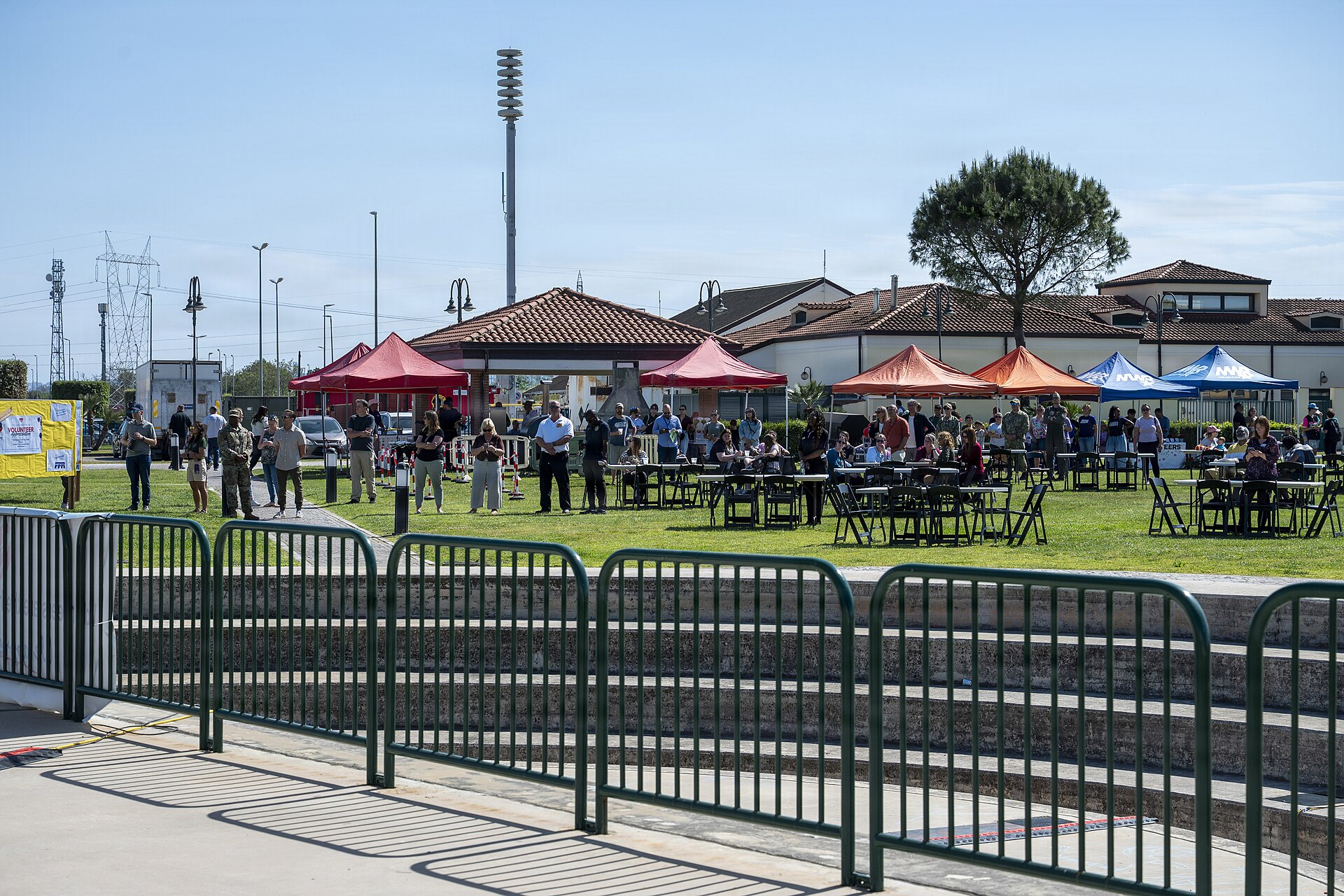
What makes the stories worth telling is that they do not all come from the same role. Setup volunteers notice timing. Booth helpers notice communication. Craft support volunteers notice patience. Cleanup crews notice the difference between a smooth handoff and a scattered one. The day has a shape, and volunteers are the ones who learn how that shape holds together.
Why volunteer stories matter
I like volunteer stories because they reveal the hidden operating system behind a community event. The public sees the finished interface: the welcome table, the activity area, the booth row, the signs that point people in the right direction. Volunteers see the plumbing. They learn where the bottlenecks are, which questions come up first, and how much calmer the day gets when someone remembers the small details.
That is also why a short article like this should point readers to the practical next step. If you are deciding whether you can help, the Support page is the best place to start. If you have a specific question about your role, timing, or next step, use Contact. The site works best when the path from interest to action is obvious.
For readers who are still figuring out how volunteering fits into a busy life, HelpGuide’s volunteering article is a useful reference. It is not local to Friendship Days, but it does reinforce the same truth: good volunteer work starts with a clear role and a realistic expectation.
The roles that teach the most
Different volunteer jobs teach different lessons, but the learning usually starts faster than people expect. A new volunteer may think they are only placing chairs or answering questions. By the end of the shift, they have learned how to read a room, how to ask for help early, and how much a calm handoff matters when the day gets busy.
| Volunteer role | What it teaches | Why it matters |
|---|---|---|
| Setup | Planning, timing, and asking for help before the work gets heavy. | The event starts earlier than the public sees, and setup teaches people how much the first hour shapes the rest of the day. |
| Booth help | Communication, patience, and the art of answering the same question clearly the fifth time it is asked. | Good booth support keeps visitors moving and helps the event feel welcoming instead of crowded. |
| Craft support | Encouragement, detail, and the value of making room for different ages and paces. | Craft areas often work because someone is paying attention to small needs while everyone else is focused on the larger scene. |
| Cleanup | Teamwork, finish-line discipline, and the patience to do the unglamorous last task well. | Cleanup teaches that closing the day carefully is part of respecting the people who will return next time. |
Setup: the first lesson is timing
Setup volunteers learn that a community event does not begin at the public opening time. It begins when the first table is carried in, the first sign is checked, and the first person realizes that three small jobs are actually one larger workflow. There is a quiet satisfaction in that. You can see the day becoming possible in real time.
The practical lesson is usually simple: be early, stay flexible, and ask what comes next. That sounds obvious until you are the person trying to decide whether the canopy goes up before the chairs or after the table covers. The smartest volunteers are not the ones who know everything. They are the ones who learn the handoff quickly.
Booth help: the lesson is communication
Booth helpers spend a lot of time translating between the event and the visitor. They explain where people should go, which item is ready, what the next step is, and why a short wait is worth it. That role teaches a useful truth: clear communication is not decorative. It is a form of hospitality.
It also teaches rhythm. Some hours are busy. Some are quiet. Some have one question repeated ten times because the answer is useful and the crowd has not yet caught up. Booth volunteers learn to keep their tone calm, their answers short, and their attention on the next person in line without making the current one feel rushed.
Craft support: the lesson is patience
Craft support is often where volunteers discover that a small adjustment can change the whole experience. A shared marker, a better table layout, a quick explanation, or a little extra encouragement can turn confusion into momentum. Craft work teaches how to create a welcoming pace without overcomplicating the moment.
It also has one of the most important volunteer lessons of all: not every contribution has to be dramatic to matter. Sometimes the best help is simply making it easier for someone else to finish what they started. That is a very ordinary kind of magic, which is usually the best kind.
What volunteers learn from teamwork
Teamwork at Friendship Days is not a slogan. It is a set of visible behaviors. Someone spots a gap and says something. Someone else shifts roles for ten minutes. A third person remembers the item that keeps the line moving. The event feels smooth because people keep the small promises that hold a larger day together.
That is the real education volunteers get. They learn that teamwork is less about personality and more about interface. Who hands off to whom? Who checks in when the pace changes? Who notices the person who has not had a break? Those are not glamorous skills, but they are the ones that keep a volunteer crew from drifting into confusion.
One reason this matters is that volunteers often arrive thinking they will give effort and leave with a warm feeling. They do get that, but they also leave with a sharper understanding of how a community works when people respect each other’s time. The event becomes a small case study in coordination. It is the kind of lesson spreadsheets love, except the people are real.
- Shared attention: Volunteers learn to watch for the next problem before it gets loud.
- Clear handoffs: A quick update between shifts saves time and stress later.
- Role respect: Setup, booth help, craft support, and cleanup all matter because each one is part of the same system.
- Calm urgency: The best teams move quickly without making everyone feel rushed.
Surprising moments that change the day
The surprises are usually small, which is why they matter. A child remembers to say thank you before leaving a craft table. A guest returns later with a question that leads to a real conversation. A volunteer discovers that the person they thought was only helping for an hour comes back the next year with a bigger role. That is how trust works in a community event: quietly, then all at once.
Volunteers also learn that the unexpected does not have to become a crisis. A line grows longer than expected. A supply runs low sooner than planned. Someone needs a different explanation than the one on the sign. These moments do not mean the day is failing. They mean the team is being asked to respond like a team. That is a useful difference.
Here are the kinds of surprises volunteers mention most often in public events like this:
- People notice kindness faster than they notice procedure.
- A one-minute conversation can change how welcome someone feels.
- The smallest logistical fix sometimes matters more than the largest planned feature.
- Volunteers often learn a role by doing it once, not by reading about it three times.
That last point is especially useful for first-time helpers. You do not need to arrive as an expert. You need to arrive willing to learn the layout, follow the lead, and stay useful. If the role is a little unfamiliar, that is normal. Most real work looks unfamiliar right before it gets done.
How to get involved next
If these stories make you think, I could do that, the next step is straightforward. Start with the Support page to find the best current path for volunteer questions, support requests, or general participation. If you already know what you want to help with, use Contact and say so clearly. A short message is enough.
If you are trying to decide whether your help should be in setup, booth support, craft support, or cleanup, start with the role that matches your energy level and your attention span. There is no prize for choosing the hardest job on the board. The useful move is choosing the job you can do well and repeat if needed.
When volunteer coordination starts to look like five sign-up notes, three reminder threads, and a pile of follow-up questions, a neutral resource such as AI integration services can be a useful reference point for teams thinking about how to connect forms, reminders, and task tracking into one workflow. The point is not shiny tooling. The point is keeping the next action obvious.
For people new to volunteer work, it also helps to keep one more outside reference handy. The Points of Light article on skills-based volunteering is a decent reminder that help does not have to be large to be useful. A small, well-scoped contribution often beats a vague promise that never gets scheduled.
What this kind of volunteering gives back
People sometimes ask what they get in return for a few hours of volunteering. The honest answer is that the return is not money and not status. It is sharper judgment, better teamwork, and a stronger sense that the community is not running on invisible fuel. Volunteers learn to see the system. They notice how much work goes into making an event look easy.
That changes how they show up the next time. They arrive with more patience. They ask better questions. They understand why a late handoff matters and why the person at the booth deserves a clear answer. In other words, volunteering teaches people how to be helpful without turning helpfulness into a performance. That is a skill worth keeping.
There is also a quieter reward. Volunteers often leave with a small, durable memory of being useful in exactly the right place. Not grand. Not theatrical. Just useful. In a world that loves dramatic outcomes, that is a surprisingly good result.
Conclusion
Friendship Days volunteers learn practical things because practical work tells the truth quickly. Setup teaches timing. Booth help teaches communication. Craft support teaches patience. Cleanup teaches finish-through. Put together, those lessons create something larger than a shift schedule. They create community muscle memory.
If you want to be part of that, start small. Read the Home page, check Support, and send a note through Contact when you are ready. If you are the kind of person who likes to make things run a little better than they did before, there is probably a place for you here.
And if you are collecting real volunteer words for a future story, keep the rule simple: use the person’s exact wording, keep consent on file, and let the quote do one job well. That is the whole interface. Anything more complicated is usually just noise.