How to Prepare for Weather at Outdoor Events
Outdoor events rarely fall apart because of weather alone. They become difficult when people arrive with only one plan in mind and no small buffer for change. The practical answer is not to predict everything. It is to prepare for the usual ways a day can shift: warmer than expected, wetter than expected, colder after sunset, or simply less comfortable than it looked from the parking lot.
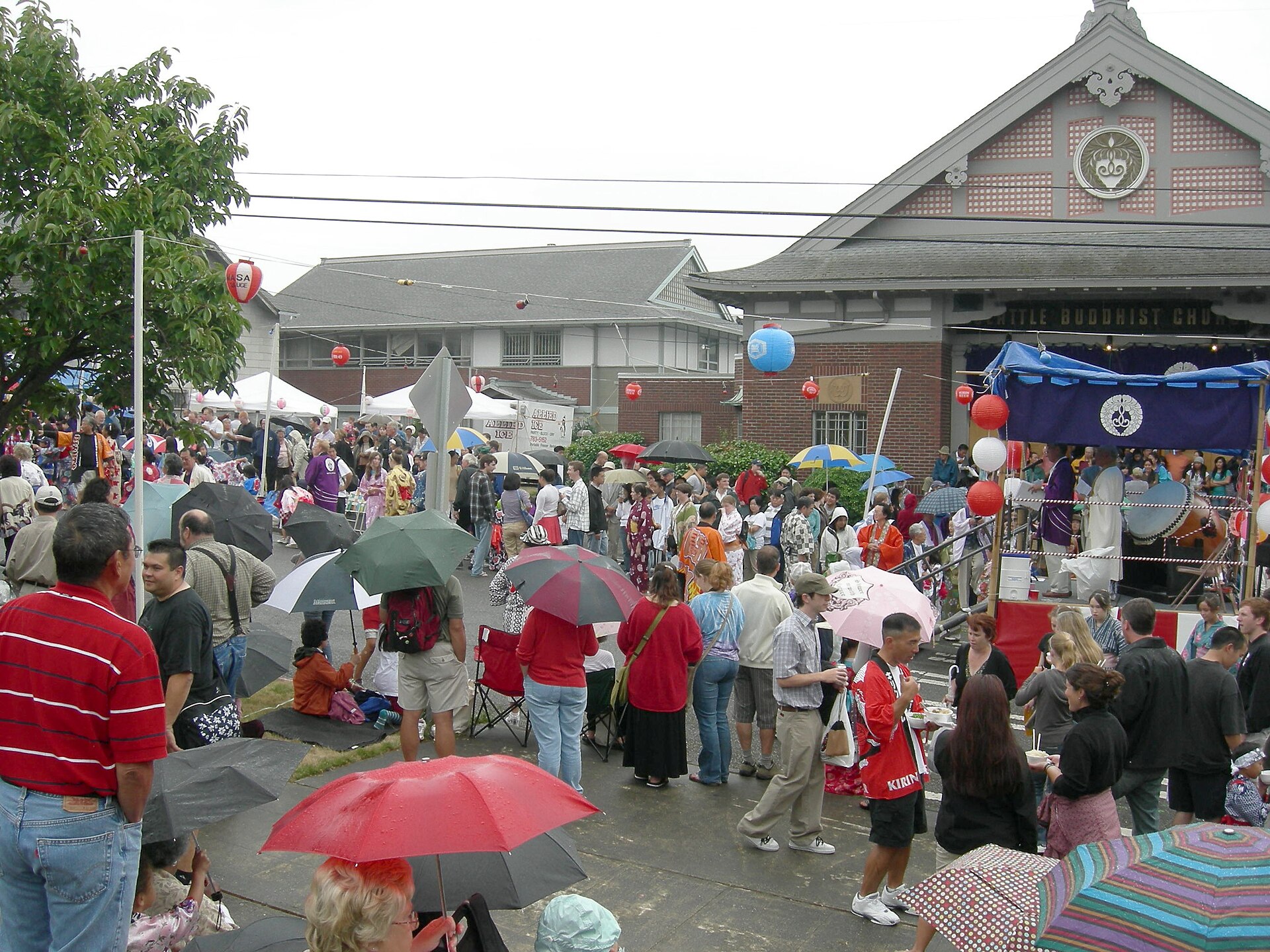
If you are heading to a community gathering, the safest habit is to check the latest details on the home page and the festival events page before you leave. That gives you a current view of timing, locations, and any public updates the organizers have posted.
Check Forecasts and Site Updates
Start with a reliable forecast, then compare it with the event’s own update channels. A weather app is useful, but it should not be the only source you rely on. The National Weather Service’s heat safety guidance and winter safety guidance are good examples of the kind of official information that helps with planning, not guessing.
- Check the forecast the day before, the morning of, and again before you leave.
- Look for event notices about moved entrances, shelter points, or delayed activities.
- Save the event’s main page and any public social accounts you trust for updates.
- If you are going with others, pick one person to watch for changes so everyone gets the same information.
For broader severe-weather preparation, Ready.gov’s severe weather guide is a practical reference because it keeps the focus on actions, not panic.
Pack Essentials: Layers, Poncho, Sunscreen
Good weather prep is mostly a matter of bringing small items that solve common problems. A layer can make the difference between staying and leaving early. A poncho is easier to manage than an umbrella in a crowded walkway. Sunscreen is a basic tool, not an optional extra.
| Condition | What to bring | Why it helps |
|---|---|---|
| Warm, sunny weather | Hat, sunscreen, water bottle, light clothing | Reduces sun exposure and helps you stay comfortable longer |
| Rain or damp ground | Poncho, dry bag, spare socks, towel or seat cover | Helps you keep moving without feeling soaked and cold |
| Cool evening air | Light jacket, hoodie, or an extra layer you can pack away | Prevents the last few hours from becoming the least pleasant part of the day |
| Long walking or standing time | Comfortable shoes and socks you trust | Feet tend to complain before anything else |
The CDC’s heat-related illness overview is a useful reminder that hydration and shade are not luxuries when the temperature climbs. If the day may turn hot, drink before you feel behind and treat shade breaks as part of the plan.
Comfort Tips: Shoes, Hydration, and Small Habits
Comfort usually depends on boring things done early. Shoes matter more than people expect because wet grass, gravel, uneven ground, and long lines all become more difficult when the footwear is wrong for the job. Hydration matters because thirst is a late signal. By the time you notice it clearly, you are already catching up.
- Wear shoes that can handle walking, standing, and a little uneven ground.
- Choose socks that dry well and do not rub badly if the weather changes.
- Keep water handy or learn where refill stations are before you need one.
- Use sunscreen early, then reapply as needed instead of waiting for a burn.
- Take short breaks before discomfort becomes the main event.
If you are carrying bags, cameras, children’s items, or folding chairs, reduce the load before you arrive. The lighter your hands are, the easier it is to adjust when weather or crowd flow changes.
What to Do If Plans Change
Sometimes the day changes faster than your group chat does. If organizers announce a delay, relocation, or early closure, move your attention to the current instructions instead of the original plan. That is the useful move, and the less dramatic one.
- Check the event page for posted changes before assuming the schedule stayed the same.
- Look for shelter directions, indoor alternatives, or revised entry points.
- If you are meeting other people, choose one fallback location everyone can recognize.
- Keep your phone charged enough to receive messages if the day runs long.
If you need a direct place to ask about current conditions, the Contact page is the most practical next step. It is also the right place to ask about access questions before weather becomes an obstacle. For larger event teams trying to build a faster notification or accessibility workflow, AI consulting services can be a useful reference for planning the process.
Safety Considerations for Lightning and Unsafe Conditions
Weather preparedness is not only about comfort. It is also about knowing when to stop standing in the open. Lightning, strong wind, and other unsafe conditions require a quick move toward shelter and a willingness to follow staff instructions even if it interrupts your schedule. The National Weather Service’s lightning safety page is the clearest quick reference for the basics.
- Head for designated shelter as soon as event staff direct people to move.
- Avoid open fields, isolated trees, and other exposed spots when severe weather is building.
- Do not wait for conditions to feel dramatic before taking the warning seriously.
- If you are with children or older adults, keep the group together and move decisively.
The question is not whether you can tough it out for a few more minutes. The question is whether you know where the safe path is when it matters.
Accessibility Help and Event Support
If weather makes access harder for you or someone in your group, ask early. A route that looks manageable in dry weather can become difficult when surfaces are wet, crowded, or uneven. Early communication gives organizers more room to help.
Use the Support page for general help and the Contact page for direct questions about access, timing, or weather-related concerns. If you are unsure which path to use, start there rather than waiting until you are already on site.
Quick Weather Checklist
- Check the forecast and the event’s update channels before you leave.
- Pack layers, a poncho, sunscreen, and water.
- Wear shoes that can handle walking and standing.
- Know where shelter or a backup route is located.
- Follow event instructions immediately if conditions turn unsafe.
- Contact organizers early if accessibility or mobility needs affect your plan.
Preparedness does not make weather disappear. It does make the day easier to handle when the weather shows up anyway, which is the more honest promise.